Former Massachusetts Congressman Barney Frank, the trailblazing openly gay lawmaker who helped reshape Wall Street regulation and LGBTQ rights in America, spent his final weeks delivering one last sharp assessment of President Donald Trump. From hospice care in Maine, the 86-year-old Democrat voiced a pointed regret: he would not live long enough to watch Trump’s political downfall.
Frank died on May 19, 2026, of congestive heart failure at his home in Ogunquit, Maine, where he lived with his husband, Jim Ready. In the weeks before his death, he gave a series of interviews that mixed reflection on his decades-long career with unfiltered criticism of the current president.
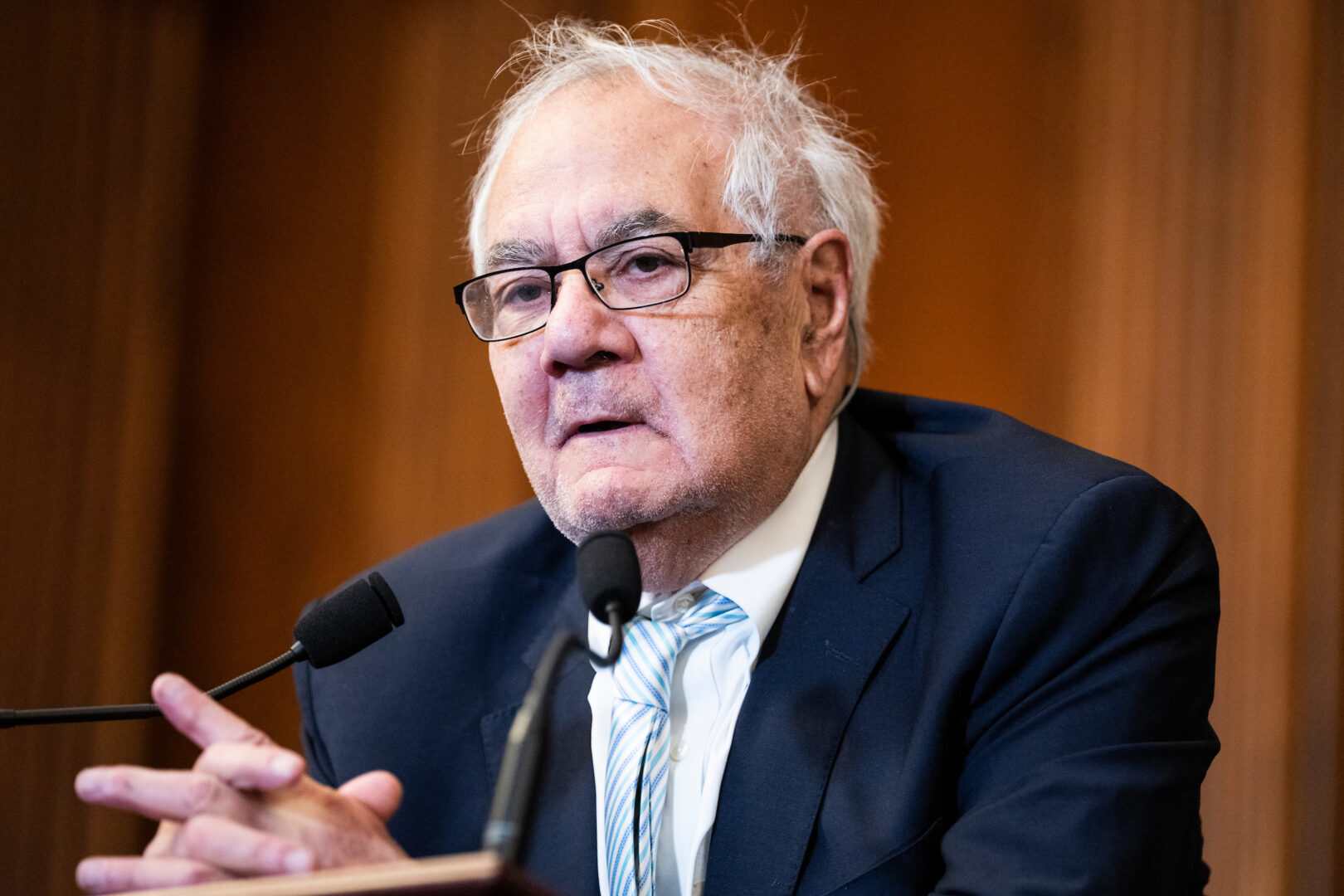
The Deathbed Regret That Made Headlines
Speaking to Politico while already in hospice in April 2026, Frank was characteristically blunt. “One of my regrets,” he said, “is that I won’t see the continued implosion of Donald Trump.”
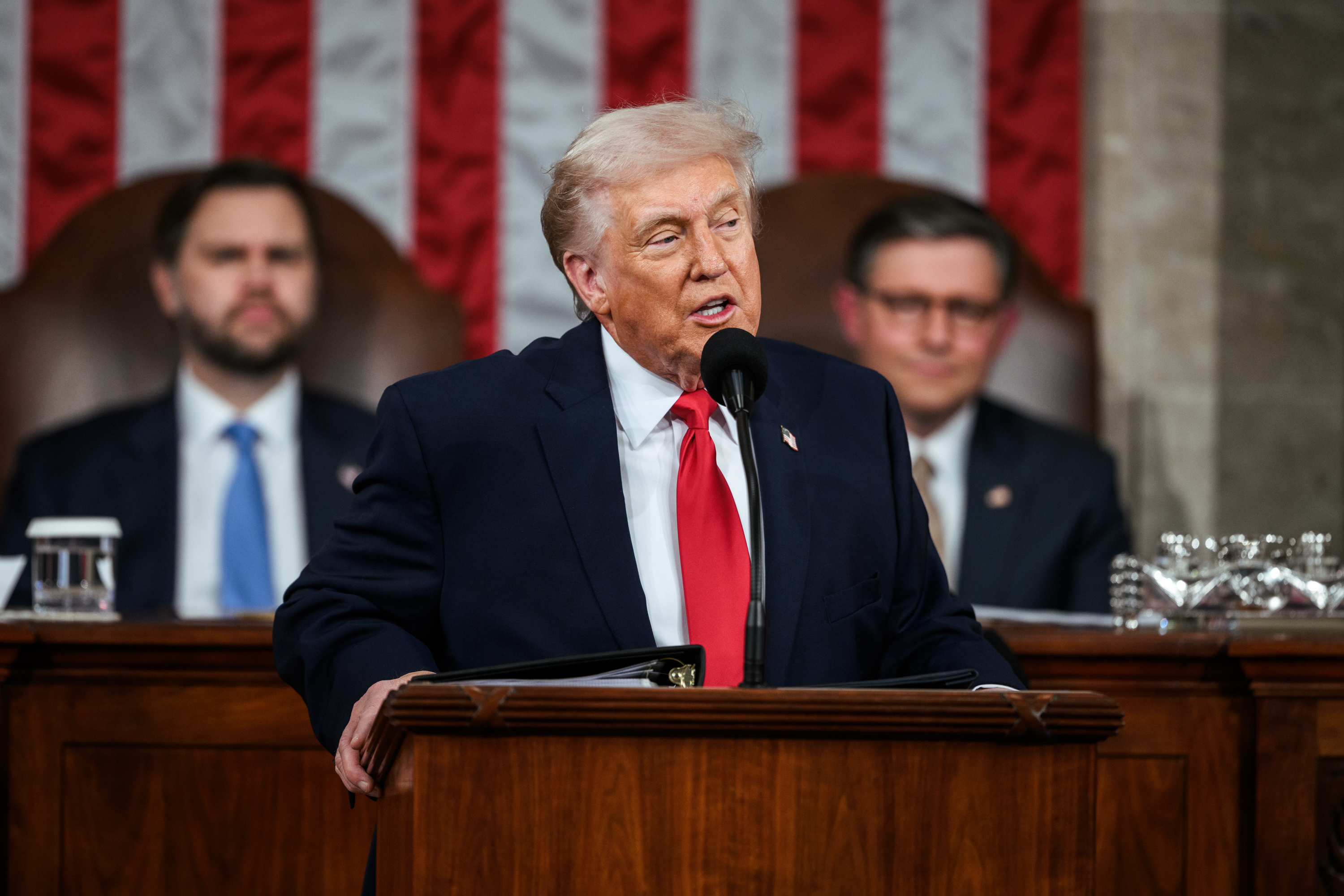
He expanded on that view in a May 14 interview with Boston public radio station WBUR. “As to Trump, I have developed my theory about him: It’s not just that he’s bad on all these values, but he is an idiot savant,” Frank said. “He has just one talent: an ability to exploit anger that got him into power. But having gotten into power, he’s got nothing left, and that’s why now he’s just floundering.”
Frank added that he could not think of a single issue on which Trump remained popular — citing foreign policy, the economy, and even immigration, an area where he believed Democrats had previously overreached. In a May 3 appearance on CNN’s State of the Union, still speaking from hospice, he described Trump as someone Democrats once dismissed as a joke who proved skilled at channeling voter discontent, only to return to being “a joke” once in office with no coherent governing program.
These comments, coming from a man who knew his time was short, quickly circulated as a political “bombshell” — the final verdict of a liberal icon who had battled conservatives for more than three decades.
Who Was Barney Frank?
Born in 1940 in Bayonne, New Jersey, Barnett “Barney” Frank rose from Harvard-educated aide to longtime U.S. representative. He served in the House from 1981 to 2013, representing a Massachusetts district that stretched from Boston suburbs to working-class mill towns. He chaired the House Financial Services Committee during the 2008 financial crisis and co-authored the Dodd-Frank Wall Street Reform and Consumer Protection Act, the most significant overhaul of financial regulation since the Great Depression.
Frank made history in 1987 by becoming the first member of Congress to voluntarily come out as gay. In 2012, he married Jim Ready, becoming the first sitting member of Congress to enter a same-sex marriage. He was a fierce advocate for LGBTQ rights, AIDS funding, civil rights, and progressive economic policies, known for his rapid-fire wit, intellectual intensity, and refusal to soften his opinions for political convenience.
Even in retirement he remained engaged, occasionally appearing on conservative outlets and writing. In his final months he completed a book, The Hard Path to Unity, urging Democrats to reclaim a more pragmatic brand of progressivism and distance themselves from positions he believed alienated moderate voters.

Why the Comments Landed So Hard in 2026
Frank’s critique landed during Trump’s second term, a period when questions about presidential fitness, policy direction, and political durability were already circulating. By framing Trump as an “idiot savant” whose sole skill was mobilizing anger, Frank offered a diagnosis that resonated with Democratic critics while predictably enraging Trump supporters.
The timing amplified the story. Deathbed statements carry a unique cultural weight — they are treated as unfiltered final thoughts. Frank, who once said he never believed in an afterlife and that “dead is dead,” used the media attention his declining health generated to deliver both personal reflections and political advice.
He also offered guidance to his own party, arguing that Democrats needed to explicitly reject extreme positions on issues such as policing and borders rather than simply remaining silent. He warned that the left had sometimes pushed cultural causes faster than the broader public was ready to accept, a message he hoped would influence the 2026 midterms and the 2028 presidential race.
Legacy Beyond the Final Soundbites
While the Trump comments dominated social media and political coverage, Frank’s broader legacy rests on concrete achievements. Dodd-Frank created the Consumer Financial Protection Bureau, imposed stricter oversight on large banks, and attempted to reduce the risk of another taxpayer-funded bailout. Supporters credit it with making the financial system more resilient. Critics, including Trump and many Republicans, have long called it excessive regulation that stifled growth.
On LGBTQ rights, Frank’s visibility as an openly gay, high-ranking lawmaker helped normalize queer people in public life at a time when it still carried significant political risk. Younger gay and lesbian politicians have often cited him as proof that voters would accept an openly gay representative if the candidate delivered results.
Tributes after his death came from across the political spectrum and from LGBTQ advocacy groups. Former President Barack Obama praised his passion and wit. Human Rights Campaign leaders called him a trailblazer who chose visibility when it could have cost him everything.
The Political Afterlife of a Final Verdict
In the days after Frank’s death, his “idiot savant” description and regret about missing Trump’s “implosion” were widely shared, quoted, and debated. For Trump’s opponents, the comments represented the unvarnished judgment of a respected elder statesman. For Trump’s supporters, they were the predictable parting shot of a liberal who had opposed the president for years.
Frank himself seemed aware of the attention his mortality brought. He noted that people were listening more carefully because he was dying. He used that window to speak not only about Trump but about the direction of the Democratic Party and the need for strategic discipline.
Whether his final analysis of Trump proves prophetic remains a matter of political opinion. What is clear is that one of the most consequential liberal voices of his generation chose to exit the stage with the same bluntness that defined his career — naming what he saw as the president’s core limitation and expressing sorrow that he would not witness its full consequences.
Barney Frank leaves behind a record of legislative achievement, personal courage, and a final set of interviews that ensured his voice continued to echo in the national conversation even after he was gone.