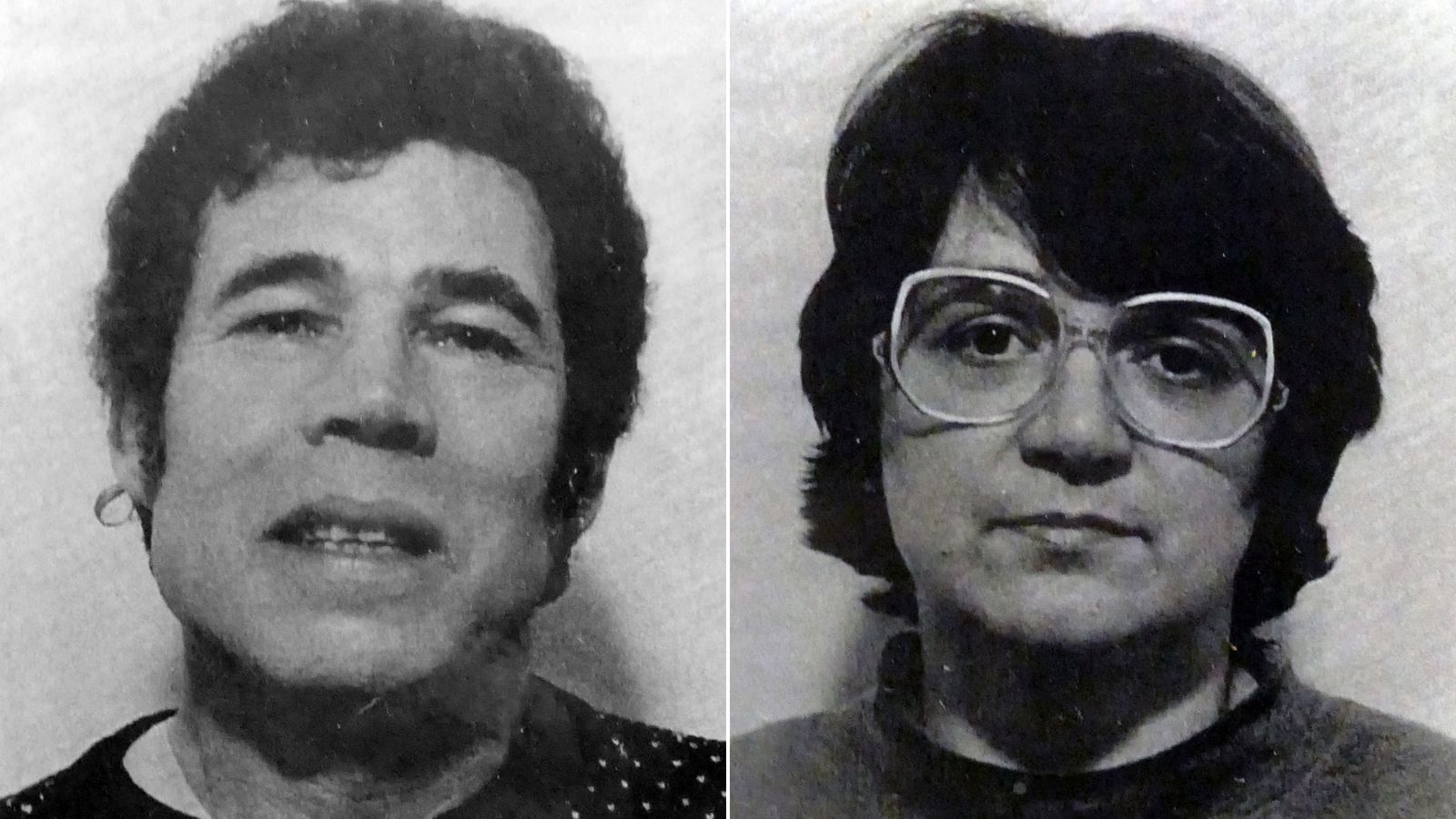
For decades, Rosemary West lived what appeared to be an unremarkable life in a quiet British home. To the outside world, she was a devoted mother raising a large family in Gloucester. Behind closed doors, however, she was half of one of Britain’s most infamous criminal partnerships — a woman who, alongside her husband Fred West, orchestrated a reign of torture, sexual abuse, and murder that spanned more than 20 years and claimed at least 12 lives.
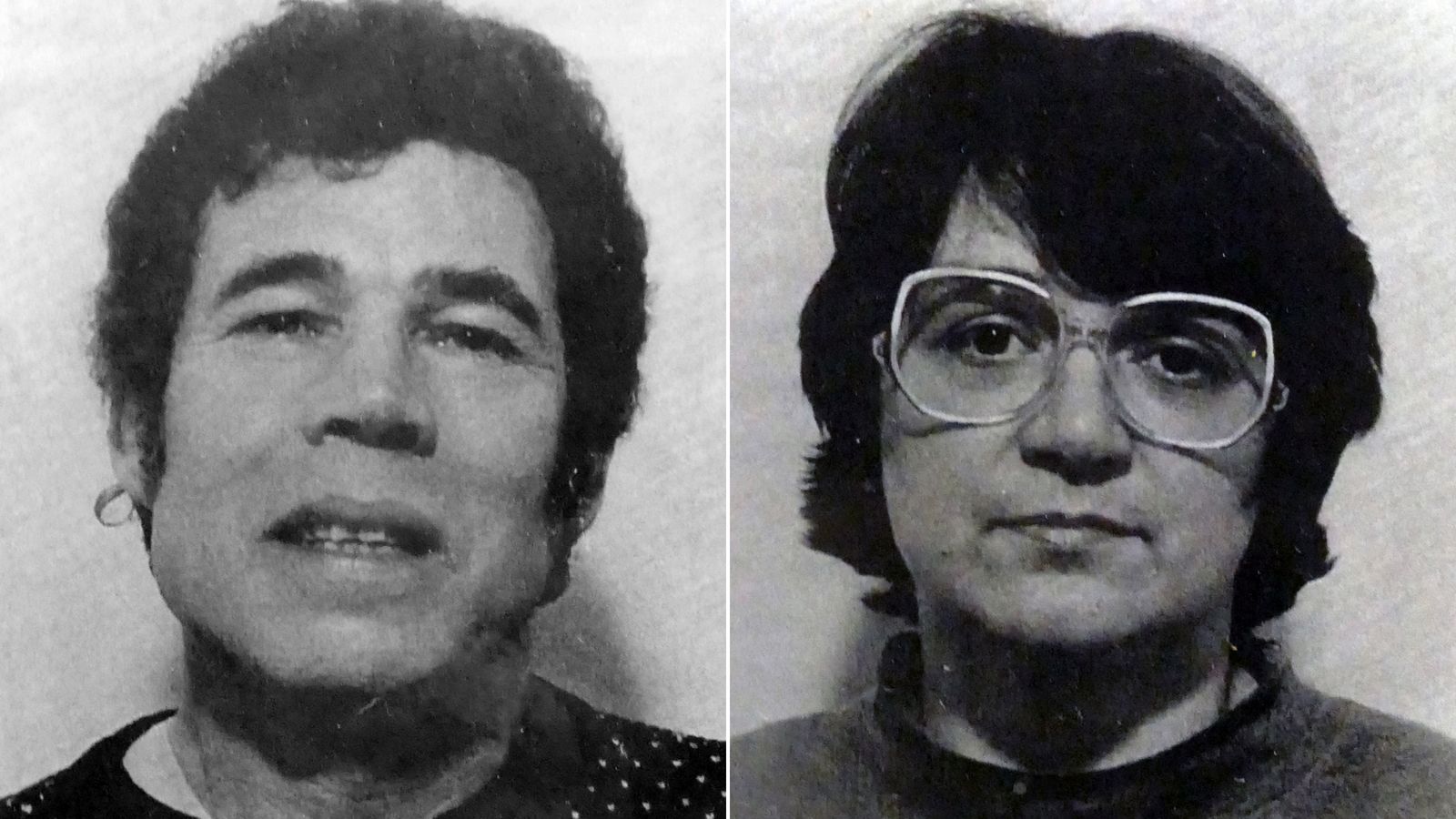
How does a seemingly normal young woman transform into one of history’s most notorious female killers? The answer lies in a disturbing mix of childhood trauma, manipulation, unchecked depravity, and a toxic partnership that fed on mutual sadism. Rosemary West’s story is not just one of crime; it is a chilling case study in the banality of evil, where the girl next door harbored monstrous secrets.
A Picture-Perfect Family That Hid Dark Secrets
Born Rosemary Pauline Letts on November 29, 1953, in North Devon, England, she entered the world under traumatic circumstances. Her father, Bill Letts, a former Navy man, was charming on the surface but suffered from severe psychiatric issues, including paranoid schizophrenia. Her mother, Daisy, battled deep depression and an obsessive compulsion for cleanliness. While pregnant with Rosemary, Daisy suffered a breakdown and was hospitalized, undergoing electroconvulsive therapy (ECT) treatments that continued right up to the days before the birth.
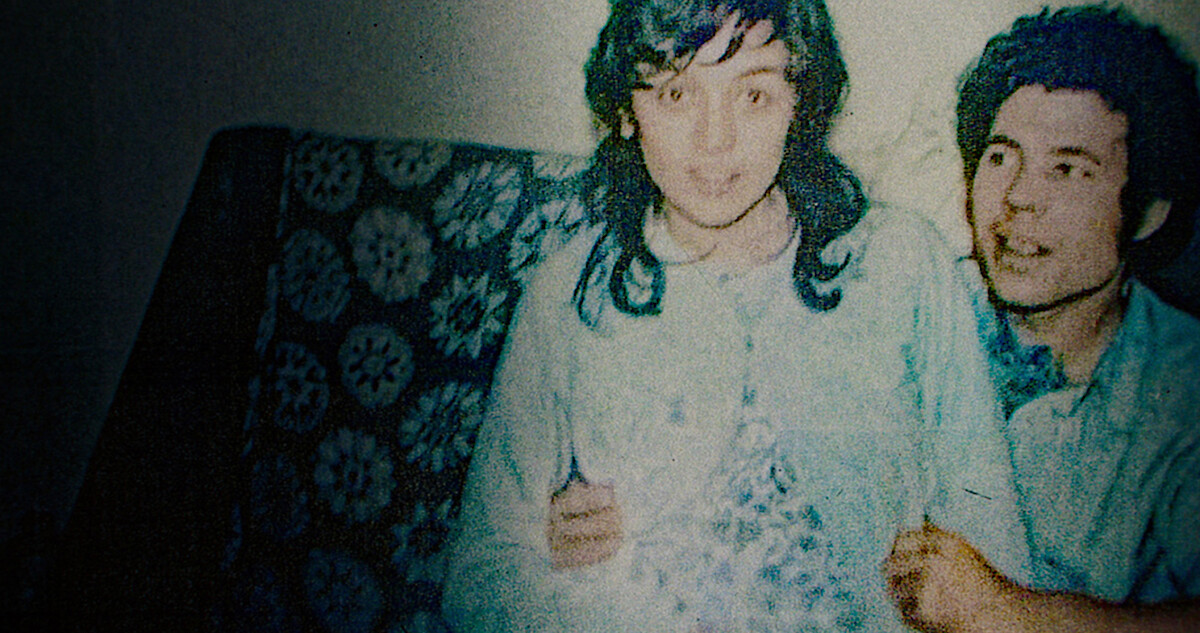
The family, which included six children, lived in a council house in Northam. Outwardly, it seemed stable, but cracks appeared early. Family members described Rosemary as exhibiting unusual behaviors from infancy: incessant head-rocking and banging her head against her cot. These trance-like habits persisted into childhood. Reports indicate she endured grooming and sexual abuse by her father — and possibly others in the extended family — creating a foundation of profound psychological damage.
Psychologists and biographers have pointed to this early environment as a critical factor. The combination of genetic vulnerabilities, physical and sexual abuse, and a chaotic household likely warped her development, fostering dissociation, aggression, and a distorted view of relationships and sexuality. By her early teens, Rosemary was already showing signs of behavioral issues, including promiscuity and rebellion, which set the stage for her fateful encounter.
Meeting the Man Who Would Unleash Hell
At just 15 years old, Rosemary met Frederick Walter Stephen West at a bus stop in Cheltenham. Fred was 27, already divorced with children from previous relationships, and carried a violent criminal history that included sexual assault charges. Despite the massive age gap and red flags, their relationship turned romantic almost immediately. She even took on the role of nanny to his daughters from his first marriage.
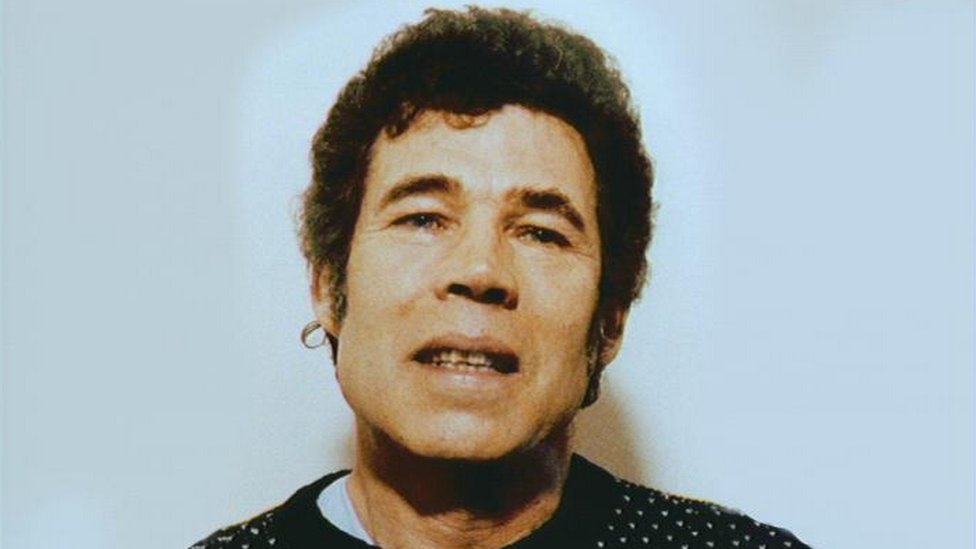
Fred’s backstory mirrored and amplified Rosemary’s trauma. He had suffered childhood abuse, a serious head injury from a motorcycle accident that reportedly altered his personality, and a pattern of manipulation, violence, and sexual deviance. Together, they formed a symbiotic bond of shared depravity. They married in the early 1970s, and their first child together was born in 1970. But the horror escalated quickly.
While Fred was in jail for theft, Rosemary, still a teenager, killed 8-year-old Charmaine West (Fred’s daughter from a previous relationship) in their care. The child’s body was later buried under the kitchen window at what would become their notorious home: 25 Cromwell Street in Gloucester.
A House of Unimaginable Horror: Life at 25 Cromwell Street
By the mid-1970s, the Wests had turned 25 Cromwell Street into a house of horrors — a seemingly ordinary terraced home that concealed unimaginable suffering. They lured young women and girls, often runaways or those seeking lodging or nanny positions, into their web. Victims faced prolonged torture, rape, binding, and murder. Many were dismembered, with remains buried in the garden, under floorboards, or in the cellar.

The couple had nine children together (plus others from previous relationships), but none were spared. All endured horrific physical, emotional, and sexual abuse. Hospital records show 31 admissions for injuries among the children between 1972 and 1992. Social services and authorities repeatedly failed to intervene despite glaring signs of neglect and harm.
One of the most heartbreaking cases was their daughter Heather West. In 1987, after attempting to escape the abuse, Heather was murdered. The family’s macabre “joke” — that she was “under the patio” — later proved true when her remains were discovered there.
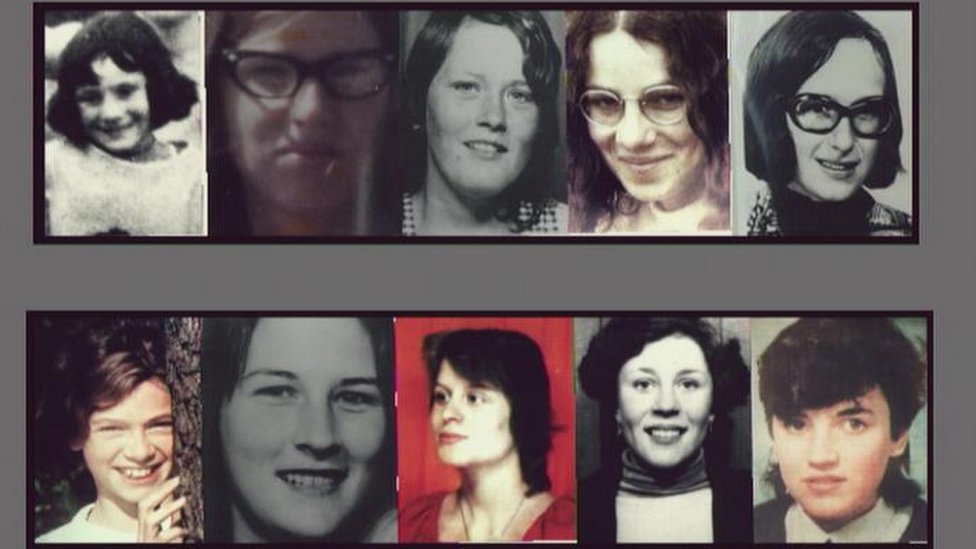
Known victims include:
- Charmaine West (8, 1971)
- Rena Costello (Fred’s first wife)
- Ann McFall
- Lynda Gough
- Carol Ann Cooper
- Lucy Partington
- Therese Siegenthaler
- Alison Chambers
- Shirley Robinson
- Juanita Mott
- Shirley Hubbard
- And Heather West
Forensic evidence and survivor testimonies revealed extreme sadism: victims were often gagged with objects, bound, and subjected to sexual violence before death. The Wests documented some acts and involved their children in aspects of the abuse, creating generational trauma.
Psychological Depths: What Made Rose Tick?
Experts have analyzed Rosemary West’s psychology extensively. She exhibited traits of antisocial personality disorder, possibly compounded by trauma-induced dissociation and learned sadism. While Fred was often seen as the dominant initiator, evidence showed Rose’s active, enthusiastic participation — including initiating assaults and deriving pleasure from the power and control.
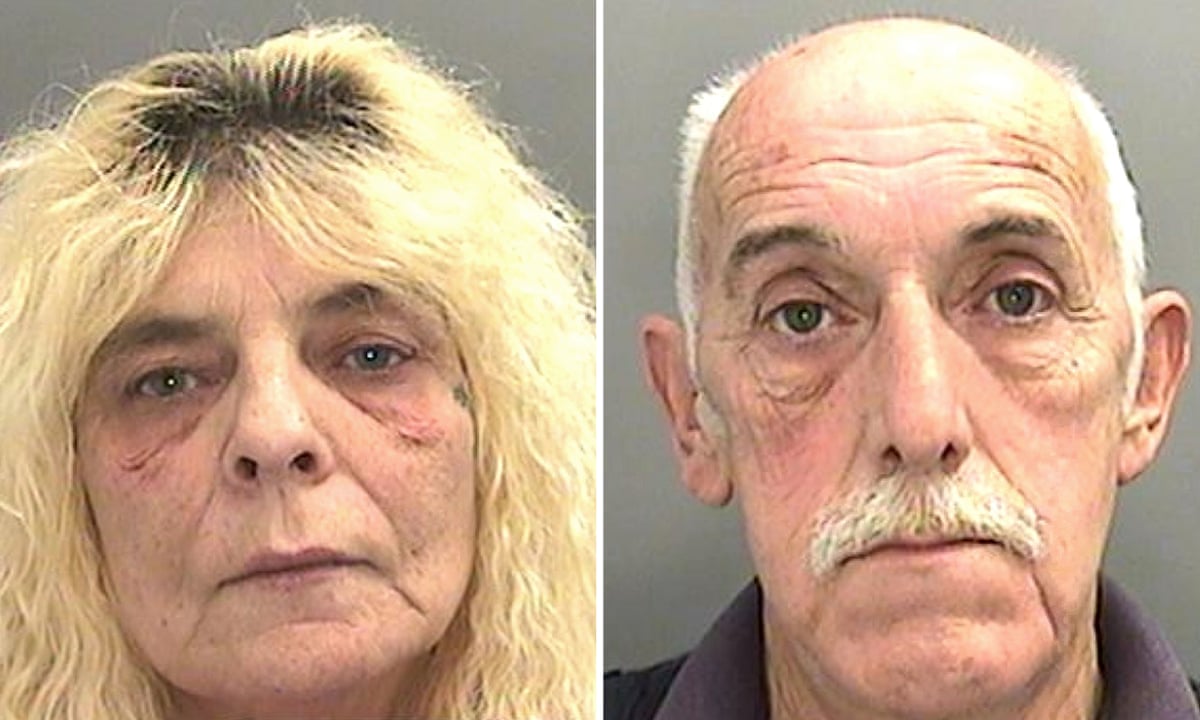
Her defense at trial portrayed her as a victim of Fred’s manipulation, but witnesses described her as volatile: motherly one moment, aggressively violent the next. She denied knowledge of the murders but inconsistencies in her testimony, combined with survivor accounts, painted a picture of willing complicity.
How the Nightmare Finally Ended
The facade cracked in the early 1990s. Anonymous tips and statements from surviving children prompted police action. In 1994, excavations at 25 Cromwell Street uncovered Heather’s remains and evidence of many more victims. Fred confessed to several murders but died by suicide in custody in 1995 while awaiting trial.

Rosemary was arrested in 1994. Her 1995 trial lasted seven weeks. She testified against advice, alternating between tears and inappropriate humor. Convicted on 10 counts of murder (she was acquitted on one), she received life imprisonment without parole — one of the few women in the UK to receive a whole-life order.
Rosemary West Today and the Enduring Legacy
Now in her 70s, Rosemary West is imprisoned at HM Prison New Hall in West Yorkshire. Reports describe her engaging in mundane activities: listening to music, playing board games, and teaching cross-stitch. The house at 25 Cromwell Street was demolished in 1996 to erase the physical reminder of the atrocities.
The surviving children carry profound, lifelong trauma, often estranged. A 2025 Netflix docuseries, Fred and Rose West: A British Horror Story, brought renewed public attention, featuring unseen footage and interviews that reignited debates about the case.
Rosemary West’s story forces us to confront uncomfortable questions: the interplay of nature versus nurture, the failures of social services, the psychology of female perpetrators in serial crimes, and how evil can masquerade as ordinary domesticity. What turns someone capable of such atrocities? Is it unchecked trauma, opportunity, a willing partner, or something darker in the human psyche?