For a time in the late 1970s, Kristy McNichol was one of the most recognizable young faces on American television. As Letitia “Buddy” Lawrence on the acclaimed drama Family, she earned two Primetime Emmy Awards and became a symbol of thoughtful, naturalistic teen acting. Then, almost as quickly as she rose, she began stepping away.
What followed was not a typical Hollywood fade-out. It was a deliberate, hard-won decision to protect her health and reclaim a private life.
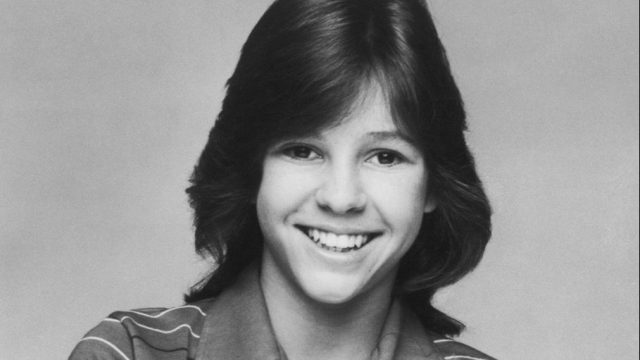

Early Success and Hidden Pressure
Born Christina Ann McNichol on September 11, 1962, in Los Angeles, Kristy started working as a child. She appeared in commercials alongside her brother Jimmy McNichol and landed guest roles on popular shows including Starsky & Hutch, The Bionic Woman, Love, American Style, and The Love Boat. Her first series regular role came as Patricia Apple on the short-lived Apple’s Way (1974–1975).
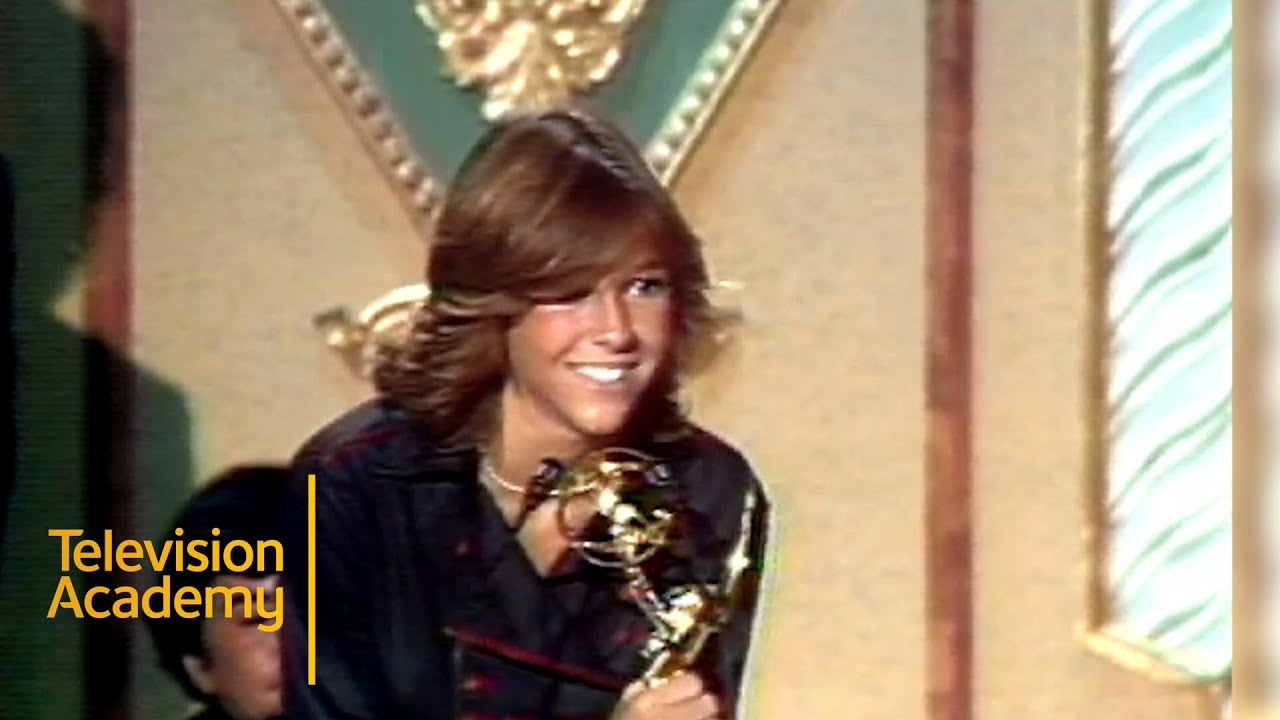
In 1976, at just 13, she was cast as Buddy Lawrence on ABC’s Family. The role of the tomboyish, skateboarding youngest daughter made her a star. She won Primetime Emmys for Outstanding Supporting Actress in a Drama Series in 1977 and 1979, earned additional Emmy nominations, and received a Golden Globe nomination. The industry celebrated her talent, but the demands of fame arrived before she had the tools to manage them.
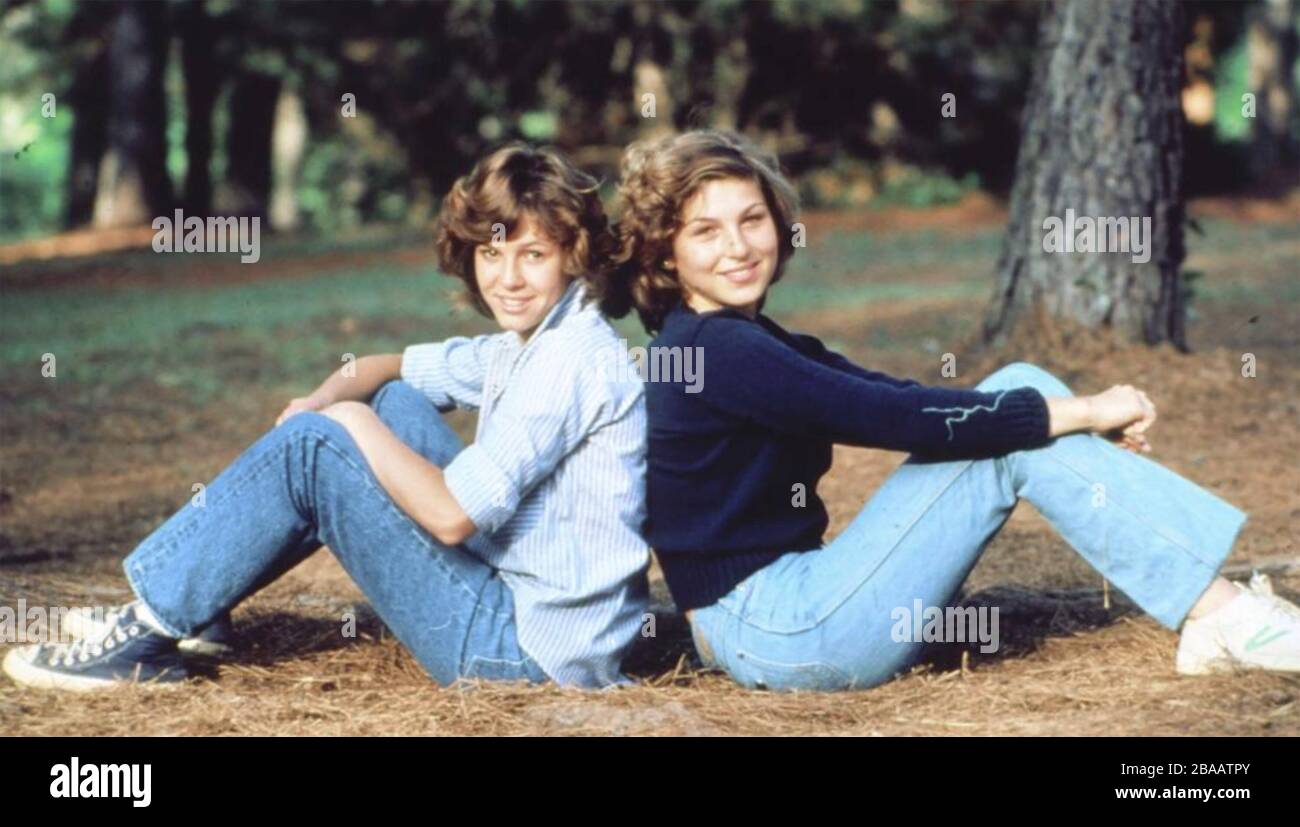
By her mid-teens she was carrying major storylines and starring in films. Little Darlings (1980), opposite Tatum O’Neal, became a cultural touchstone for coming-of-age stories. She followed with strong turns in Only When I Laugh (earning another Golden Globe nomination), The Night the Lights Went Out in Georgia, White Dog, and others. She even released a disco album with her brother that produced a minor hit, “He’s So Fine.”
The pressure of constant work, public scrutiny, and a childhood spent largely on sets took a heavy toll. McNichol has linked some of the intensity to growing up without a stable sense of childhood.
The Breakdown That Nearly Ended Everything
In the mid-1980s, while filming Just the Way You Are overseas in France, McNichol experienced a severe emotional breakdown. She later described nonstop anxiety, crying, sleeplessness, strange dreams, and a dangerous drop in weight (to around 96 pounds). Production was halted for about a year while she recovered.
At the time there was little public understanding of what she was going through. Rumors of drug use or alcoholism circulated. Years afterward she identified the condition as bipolar disorder (then often called manic depression). She has spoken of feeling like a total mess and of the industry’s tendency to push through rather than pause for a young performer’s well-being.
She continued working after the crisis, appearing in films such as Dream Lover and Two Moon Junction, and television movies.
The Long Road to Leaving: Empty Nest and Diagnosis
McNichol found renewed success as Barbara Weston, the no-nonsense police officer daughter, on the NBC sitcom Empty Nest (a Golden Girls spin-off) beginning in 1988. The show was a solid hit. She stayed for several seasons but left midway through season five in 1992 after being diagnosed with bipolar disorder. Producers and doctors prioritized her health; she returned only for the series finale in 1995—her last on-screen live-action role.
She did limited voice work afterward (Extreme Ghostbusters and Invasion America in the late 1990s). By 2001 she had made a clear decision.
In a public statement she announced her retirement after 24 years in the industry:
“A lot of people have wondered what I’ve been up to. I retired from my career after 24 years. My feeling was that it was time to play my biggest part — myself! I must say that it has been the best thing that ever happened to me. So many fans are disappointed that I’m not currently acting; however, some may not realize that the process I’m in at this time is necessary and vital for my personal happiness and well-being.”
She has never returned to full-time acting.
Finding Peace and Partnership
Away from the cameras, McNichol built a quieter existence. She taught acting at a private school in Los Angeles, did charity work, and focused on simple pleasures—tennis, yoga, travel, and raising miniature dachshunds.
In 2012, approaching her 50th birthday, she chose to speak publicly about her personal life. Through her publicist she confirmed that she is a lesbian and had been in a committed relationship with Martie Allen since the early 1990s (roughly 1991). The decision, she said, was motivated by a desire to help young people who felt different or faced bullying. She made clear she had no plans to resume her career.
Those close to her have consistently described her as happy and healthy in the life she chose. In later comments she reflected that she had been “on the big stage between ages 8 and 30” and left in part to discover what else life offered. Her home life, she said, was “happy and serene.”
A Rare Glimpse Today
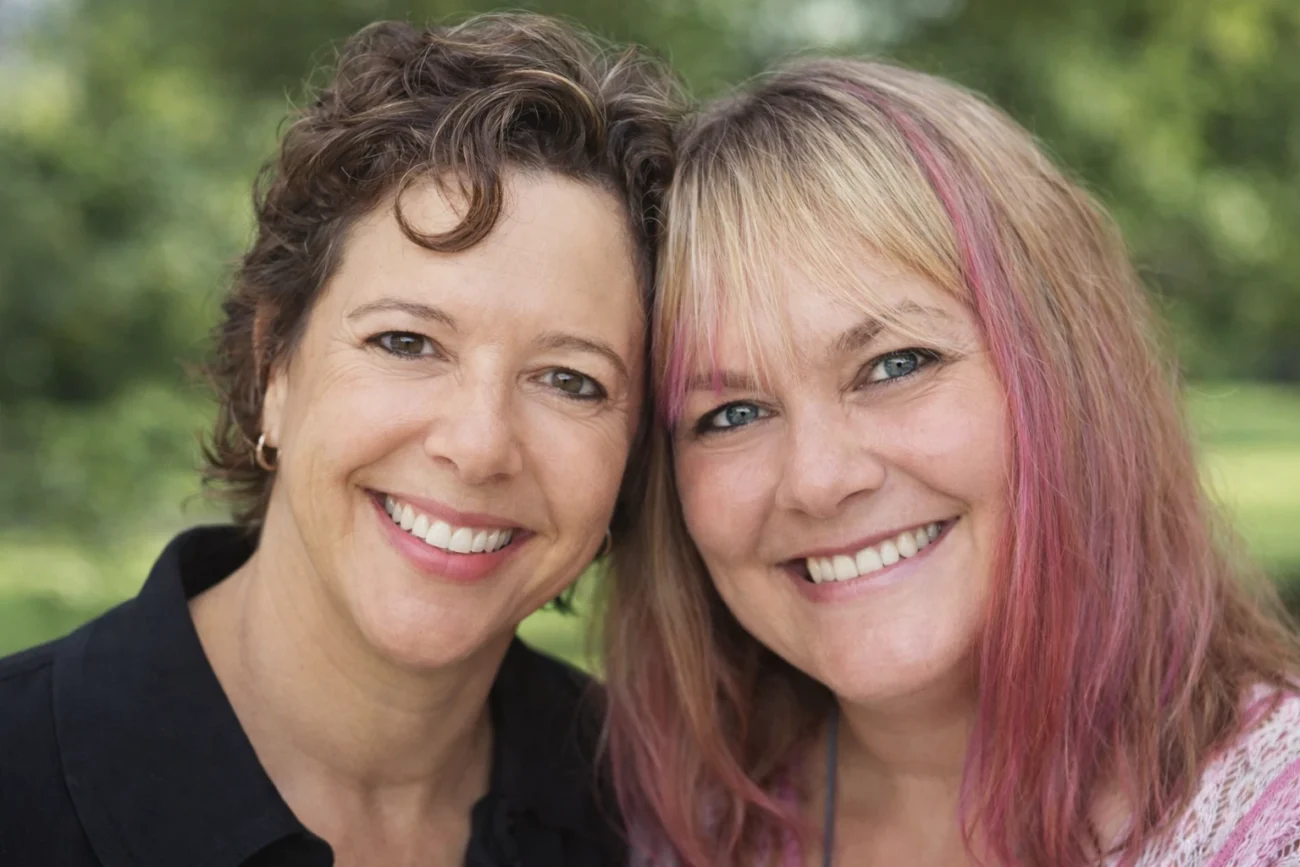
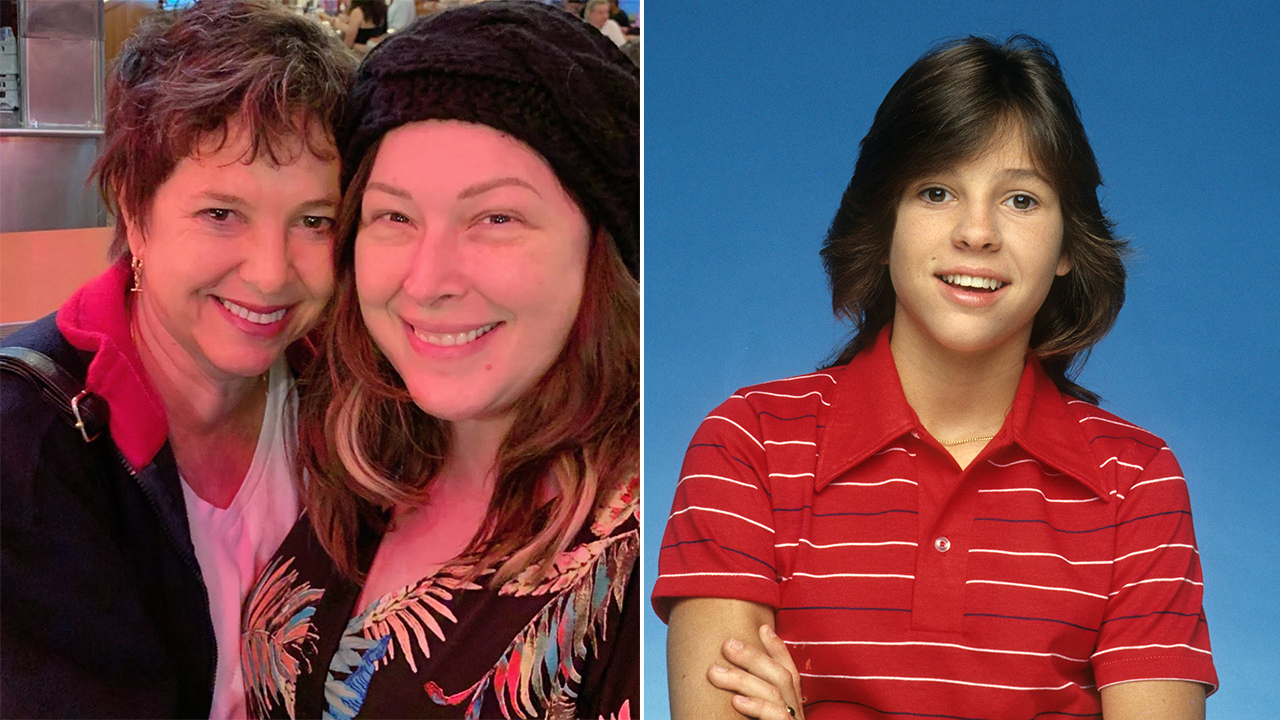
McNichol has remained largely out of the public eye for more than two decades. Occasional fan-convention appearances and rare chance encounters keep her quietly connected to admirers. In July 2026 a selfie with singer Carnie Wilson (of Wilson Phillips) briefly went viral. Wilson, who called McNichol “a part of my youth” and praised films such as Little Darlings, described her as a “gracious sweetie.” McNichol later reached out lightly about the photo going viral, showing she remains aware and good-humored about her lingering cultural footprint.
She has also appeared at select nostalgia events, including screenings related to The Pirate Movie. At 63 (as of 2026), she continues living on her own terms.

Why Her Story Matters
Her story is often framed as the disappearance of a once-bright star. The fuller picture is different. After early success, serious mental-health struggles, and the pressure of a career that began in childhood, Kristy McNichol decided that the most important role left was her own life. She stepped out of the spotlight not in defeat, but in self-preservation—and by all accounts has found the private peace she needed.
In an era when mental health conversations are more open and when LGBTQ+ visibility has grown, McNichol’s quiet choices and occasional statements carry lasting weight. She modeled setting boundaries, seeking treatment, living authentically, and prioritizing well-being over public expectation.
Fans still remember Buddy’s honesty, Angel’s toughness, and Barbara’s strength. Today those same qualities show up in the life McNichol chose for herself: steady, private, and true.
Sources drawn from public interviews, statements, Wikipedia career records, contemporary reporting in People, Los Angeles Times, and recent 2026 coverage of rare appearances.