Lean trimmings are entering the U.S. under a 90-day tariff break meant to ease ground-beef prices. If you want meat from cattle born and raised in the United States, the fine print on the package is the only reliable guide.
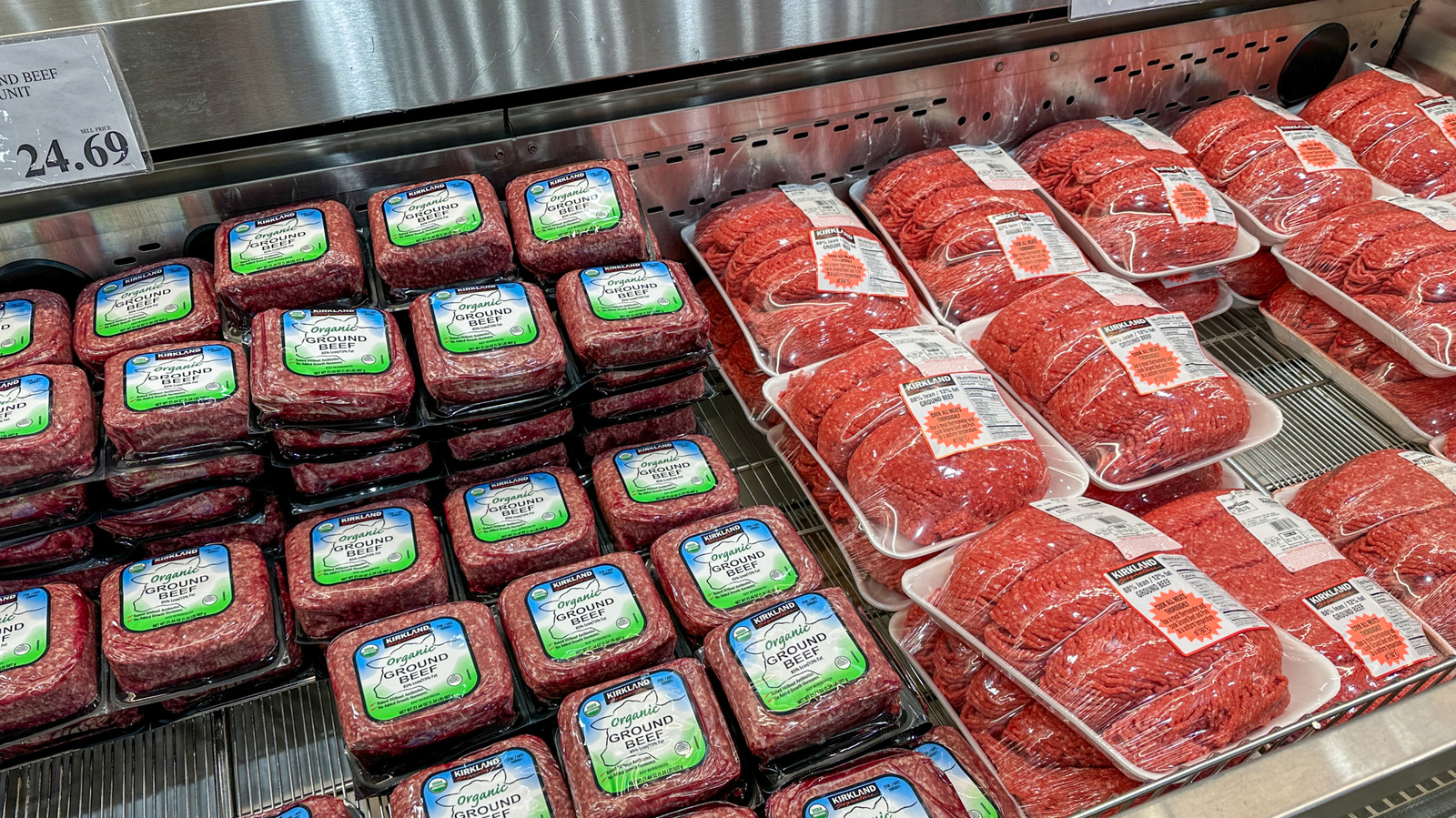
The next time you reach for a family pack of 80/20 in the grocery case, pause before the price tag decides for you. More imported lean beef is moving into the American grinding supply this month. A USDA mark on the wrap does not, by itself, tell you whether the animal ever stood on U.S. grass.
That is the practical problem created by a White House plan that opened on September 1, 2026: a temporary increase in the amount of lean beef trimmings that can enter the country at the lower, in-quota tariff rate. The stated goal is simple. Ground beef has been expensive. The domestic cattle herd is historically small. Officials want more raw material in the grinders so families pay less for burgers, taco meat, and meatloaf while ranchers rebuild their herds.
Whether shoppers actually see a cheaper burger — and whether they can tell American beef from a blend — is a different question. The answers live in labels most people walk past.
What the White House actually changed
President Donald Trump signed a proclamation titled “Further Ensuring Affordable Beef for the American Consumer.” It does not throw open the border to every steak on Earth. It expands, for a short window, the quota for a narrow category: lean beef trimmings used to make ground beef.
The extra volume is 300,000 metric tons, released first-come, first-served in three monthly slices of 100,000 tons each:
- September 1 through September 30
- October 1 through October 30
- October 31 through November 30, or until the extra quota is filled
Those trimmings can be blended with fattier domestic beef to hit familiar lean-to-fat ratios such as 80/20 and 90/10. They are not meant to replace ribeyes, strips, or roasts. Analysts have been blunt on that point: steaks are not the product in this program. Hamburgers are.
The White House also directed the Department of Agriculture and the U.S. Trade Representative to watch whether the extra imports are sold at a price 25 percent below the market price for lean trimmings. If they are not, the agencies are supposed to notify the president, who can shut off what remains of the extra quota. How “market price” will be measured is still a live debate among traders. The fact sheet talks about a discount from the going import price. That is not the same thing as a 25 percent cut on the retail sticker at your supermarket.
Why officials say the extra meat is needed
U.S. cattle numbers have fallen to their lowest level in about 75 years. Drought, high feed costs, and years of herd liquidation left processors short of lean domestic cows. Ground beef, which depends on a mix of fat trimmings from fed cattle and lean meat from older cows, felt that shortage first. Average retail ground-beef prices have been running near $6.89 a pound.
The administration’s pitch is that a temporary slug of lean imports takes pressure off consumers without wrecking the market for finished steers. The White House fact sheet says the extra volume is designed to compete mainly with cull-cow meat, not the fed-cattle market ranchers care most about, and that it amounts to a modest share of total U.S. beef production. USDA has projected 2026 U.S. beef output above 11 million tons. Three hundred thousand tons of trimmings is not a flood relative to that number. It is also not nothing in the grinding bin.
Ranchers hear a different story. Many of them spent years asking for tighter import rules and clearer “Product of USA” labeling. A 90-day tariff break, even a targeted one, looks to them like Washington solving a consumer-price problem on the backs of people who raise cattle. That tension is not new. It is simply louder now that the first tranche is open.
The imports are ingredients, not ready-to-grill burgers
This is the detail that gets lost in social-media posts about “foreign hamburger.” The extra quota applies to lean trimmings classified under a handful of tariff lines. Processors buy those trimmings, mix them with fatter domestic trim, and produce the chubs and trays in the cooler. A package of 80/20 in Ohio can contain meat from more than one country and still look identical to the pack beside it.
That blending is normal industry practice, with or without a presidential proclamation. The United States has long imported lean manufacturing beef from countries such as Australia, New Zealand, Brazil, Uruguay, and others that FSIS has found eligible to ship to the U.S. market. Canada and Mexico already move beef under free-trade rules. The September program does not rewrite those older arrangements. It adds room under the residual “other countries” quota for lean trim and tells agencies to police a discount.
Trump has said “a few countries” are involved. He has not published a neat list of who will fill the three tranches. Trade desks have pointed to Brazil as a likely large user of any extra residual quota, because several major suppliers already have country-specific quotas or free-trade access. Shoppers will not see that debate on the package. They will see whatever the packer chose to print.
“Product of USA” finally has a hard meaning — if the company uses it
Here is the single most useful rule in the meat aisle.
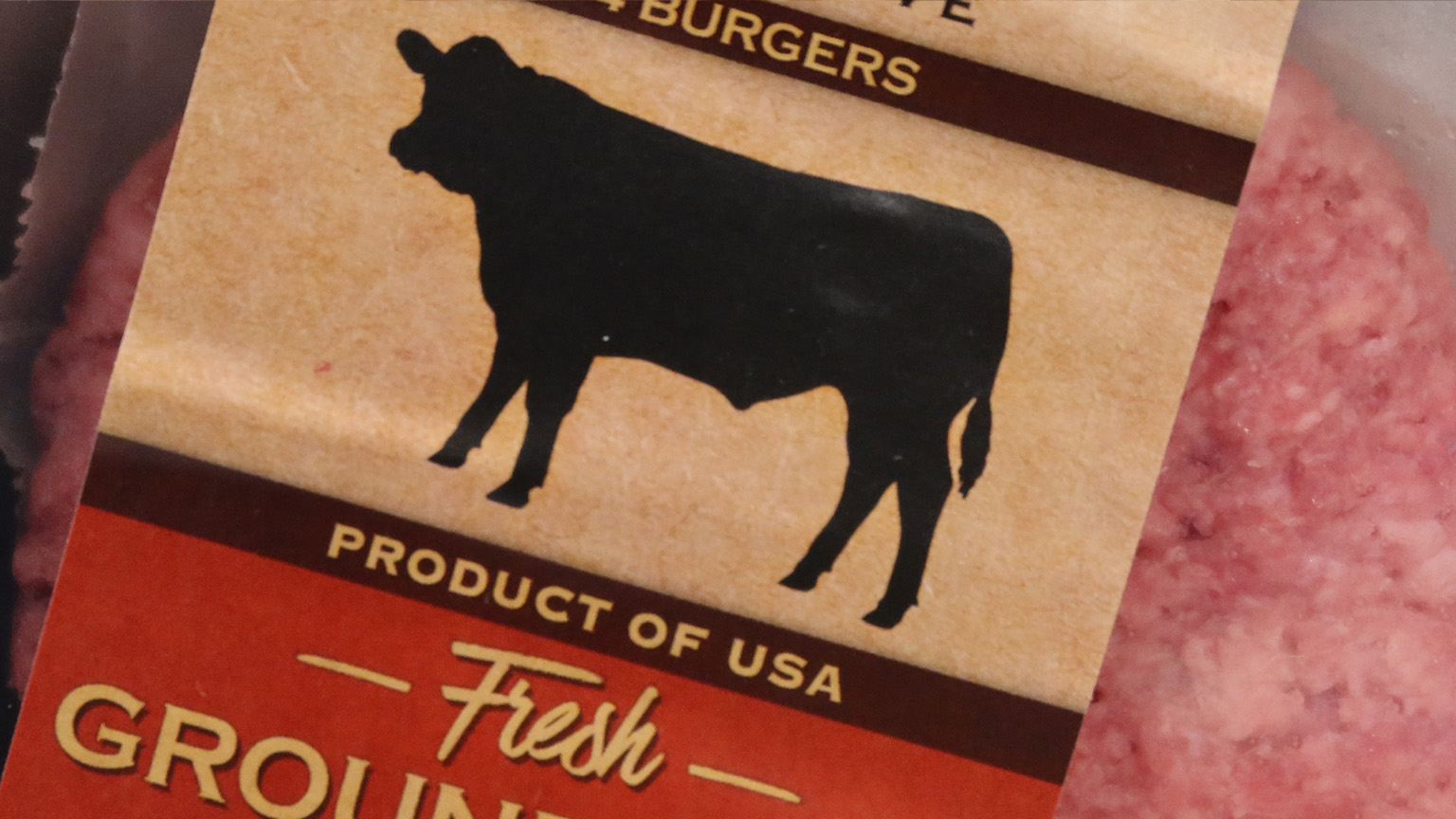
If a single-ingredient beef package says “Product of USA” or “Made in the USA,” USDA now requires that claim to mean the animal was born, raised, slaughtered, and processed in the United States. That standard took effect January 1, 2026. It closed a loophole that once allowed meat from foreign cattle to pick up a USA claim after it was sliced or boxed in an American plant.
That is the label to hunt if your only question is: did this cow live its life here?
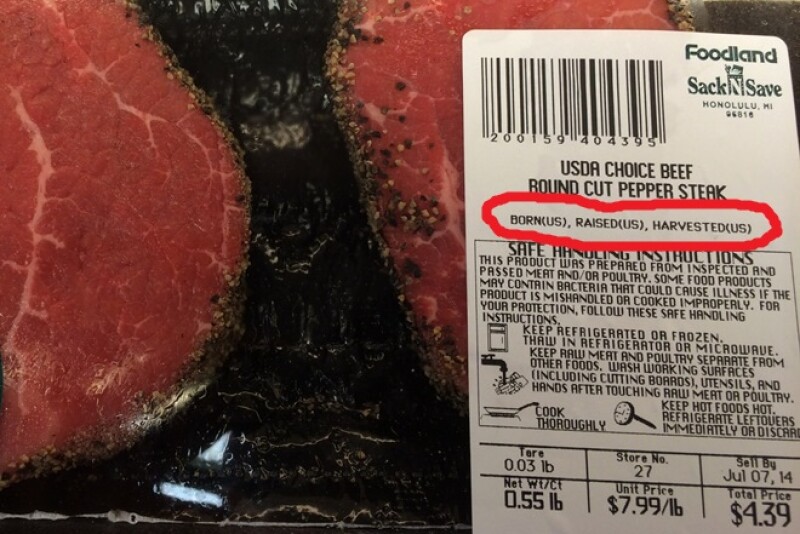
Related claims that also point to a fully domestic animal include wording such as “Born, Raised, and Harvested in the USA.” Some packages carry American Grassfed Association (AGA) certification, which is a private standard on top of origin. None of these marks is required. They are voluntary. A packer that does not want to make the claim does not have to. A missing USA claim is not automatic proof the beef is imported. It is proof the company did not put a verified U.S.-origin statement on that package.
Country information, when it appears at all, is often in small type near the nutrition panel or ingredient list. Read it. Do not assume the big red, white, and blue graphics on the front of the tray are doing that work for you.
The USDA oval is about the plant, not the pasture
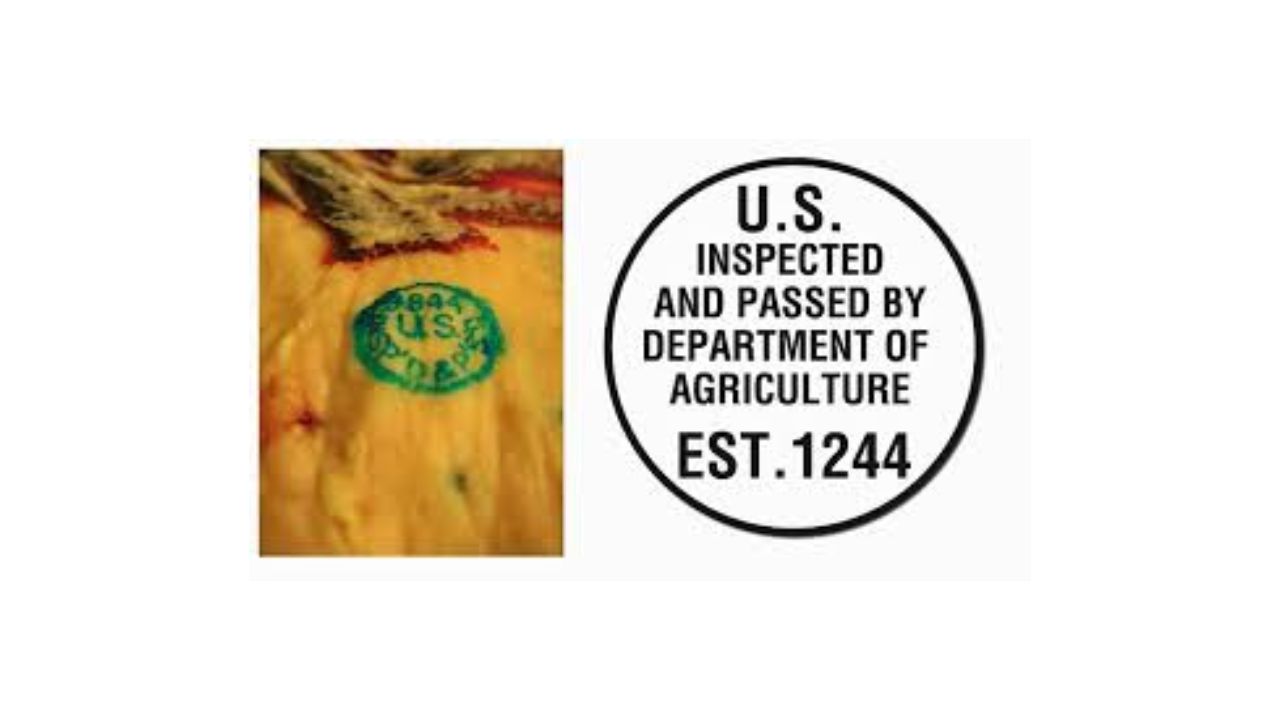
Every federally inspected package of meat sold in interstate commerce carries an inspection legend: an oval that says the product was inspected and passed, plus an establishment number. You can look that number up and learn which plant handled the product. That is useful during a recall. It is not a birth certificate for the cow.
Imported beef that is further processed in a USDA-inspected U.S. plant can still carry that oval. A label that says the meat was “packed” or “processed” in the United States can be technically true and still describe cattle raised and slaughtered overseas. The animal crossed a border. The final wrap happened here. Those are not the same fact.
Prime, Choice, and Select are grades, not passports
“USDA Prime,” “USDA Choice,” and “USDA Select” describe marbling, maturity, and expected eating quality. Grading is voluntary. Inspection is mandatory and is about safety and wholesomeness. Neither stamp answers the origin question. Imported beef processed under USDA inspection can still be graded if it meets the quality standards. A Choice ribeye can be American. A Choice grind can be a blend. The grade does not tell you which.
This is the mix-up that sells a lot of meat. Shoppers see “USDA” twice — once in the inspection legend, once in the grade shield — and hear “American.” The department inspects a lot of product that did not start as a U.S. calf.
Ground beef can be a blend from more than one country
USDA rules have long allowed ground meat from different countries to be commingled. When companies declare origin on those blends, the applicable countries are supposed to be identified on the package. In practice, the type is small, the list can be long, and many shoppers never look.
There is a second complication. Congress repealed mandatory country-of-origin labeling for beef in 2015 after a World Trade Organization fight. Chicken, fish, and many produce items still carry required origin information. Beef, at retail, does not have that same mandatory tag. Producer groups have been trying to bring mandatory beef labeling back. Until that happens, the honest U.S. claim is voluntary, and silence on the label is legally allowed.
So a tray of ground beef can contain imported lean trim, domestic fat trim, a USDA inspection mark, and no “Product of USA” line at all. That package is not illegal. It is simply unlabeled for origin.
Will your burger actually get cheaper?
Economists who ran the numbers on the 300,000-ton ceiling have been cautious. Even if every ton arrives and every ton is additional supply rather than product that would have entered anyway, the effect on average retail ground-beef prices is likely small — in some analyses, well under 1 percent once the meat moves through existing contracts and store markups. There is also no rule that forces a supermarket or a fast-food chain to pass a cheaper trim price to the consumer. Four large packers still dominate U.S. slaughter. Savings can stop at the plant or the warehouse.
That does not make the program meaningless. Extra lean trim can ease a specific bottleneck. It can change what gets mixed into 90/10 and 93/7. It may shave a few cents in some markets if retailers choose to advertise a sale. It will not turn $6.89 ground beef into 2019 ground beef in 90 days. Anyone promising that is selling a story the supply math does not support.
The 25 percent test is supposed to be the consumer-protection latch. If the imported trim is not sold cheap enough, the extra quota can be cut off. Watch that monitoring. It is the only enforcement hook written into the proclamation.
A field guide for the meat case
If your priority is price, compare unit prices on lean ratios you actually cook. Imported trim is an ingredient in the grind, not a separate branded burger in most stores. You will not see a neon “tariff-free tranche” sticker.
If your priority is U.S. cattle, look for one of these and treat everything else as unproven:
- “Product of USA”
- “Made in the USA”
- “Born, Raised, and Harvested in the USA”
- A trusted third-party mark such as AGA, plus a U.S.-origin claim
If the package only says it was processed or packed in the United States, keep walking. That sentence describes a building, not a herd.
If you buy from a local butcher who sources named ranches, ask the question out loud: born here, raised here, slaughtered here? Direct-to-consumer beef and locker plants are often easier to trace than a national brand chub.
If you care about safety, the USDA inspection legend still matters. Eligible foreign plants have to meet inspection systems FSIS has judged equivalent. Origin and inspection are separate issues. Do not collapse them into one panic. Do not ignore a recall notice because the cow was American either.

What this moment is really testing
The proclamation is a 90-day bet that a targeted import valve can take heat off ground-beef prices without flattening the cattle cycle. Shoppers are being asked to trust that the discount shows up. Ranchers are being asked to accept more foreign lean in the grind while they rebuild cows that take years to produce.
Labels sit in the middle. Since January, “Product of USA” is no longer a decorative phrase. When a company uses it on beef, it is supposed to mean the whole life of the animal happened here. When a company does not use it, the shopper is on her own with tiny type, establishment numbers, and the knowledge that blending is legal.
That is the new homework in the meat aisle. The extra imports have started. The cattle are still the smallest herd in three-quarters of a century. The package in your hand will not explain any of that unless you turn it over and read what it actually says.