Dolly Parton was barely gone when the fight over her memory began.
The country superstar died on Tuesday, August 25, 2026, at age 80 after a brief battle with cancer. Within hours, tributes flooded in from musicians, presidents, and ordinary fans who grew up on “Jolene,” “Coat of Many Colors,” and “I Will Always Love You.” Then Ivanka Trump posted her own farewell. The words were warm. The reaction was not.
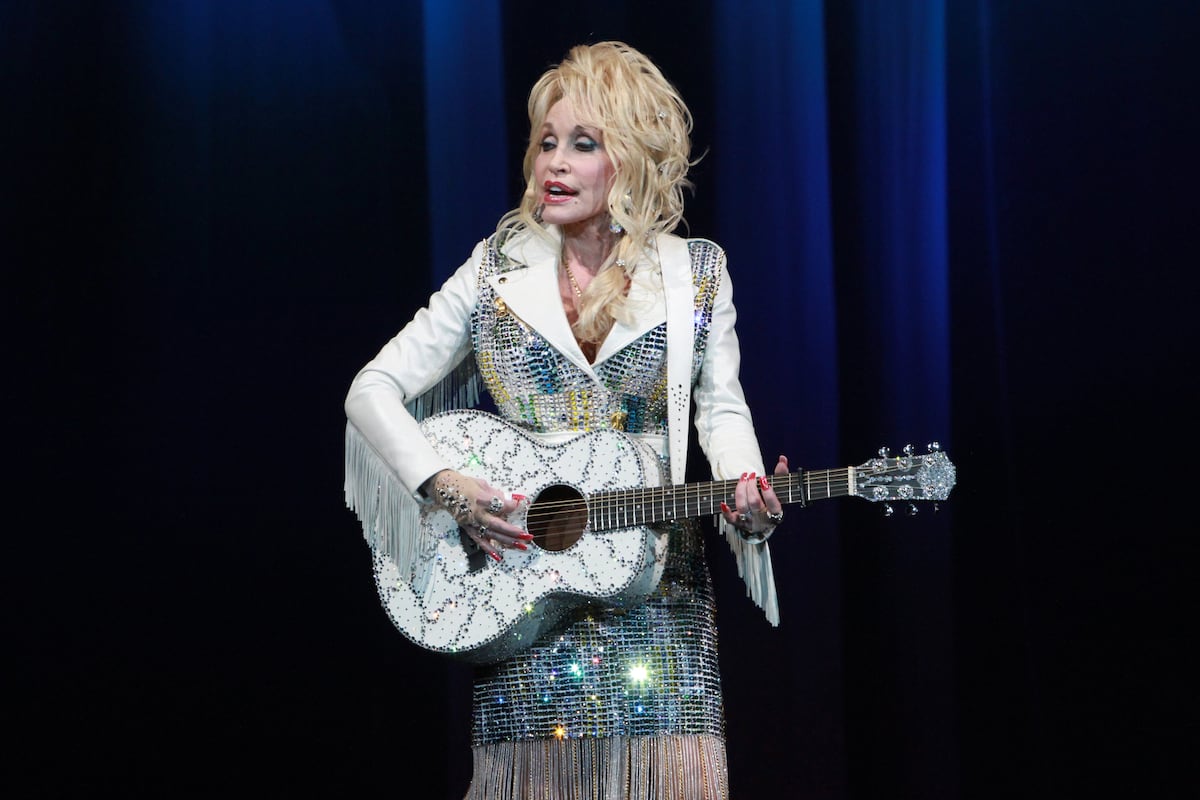
Critics accused the president’s daughter of wrapping herself in a legend whose public values they say her family does not share. Supporters called the pile-on cruel and said a grief post should not be turned into a loyalty test. The clash says as much about America’s divided politics as it does about one X post.
A national goodbye that almost everyone joined
Parton’s family announced her death through her nephew Bryan Seaver, who also served as her longtime head of security. Representatives later confirmed she died at Vanderbilt-Ingram Cancer Center in Nashville, surrounded by loved ones, after what they described as a brief battle with cancer. They did not name the type.
In the months before she died, Parton had been unusually open about her health. She postponed and then canceled a Las Vegas residency, spoke about kidney stones, immune and digestive problems, and said she had neglected her own care while looking after her husband, Carl Dean, who died in March 2025. Days before her death she told People she was still working even while dealing with those issues.
The outpouring was immediate and unusually bipartisan. President Donald Trump ordered U.S. flags lowered for a week and called her “one of the greatest Country singers, and far beyond, EVER.” Artists from Taylor Swift to Miley Cyrus and Dionne Warwick posted remembrances. For a few hours, it looked like one of those rare American moments when almost nobody wanted to argue.
Then the replies under Ivanka Trump’s tribute started stacking up.
What Ivanka actually wrote
On August 25, Ivanka posted on X:
A couple years ago on @lexfridman podcast I cited a piece of wisdom from @DollyParton that has resonated within me since I first heard it.
“I don’t criticize and condemn; I love and accept.”
That quote, like so much of what made Dolly Parton an American icon, was deceptively simple — uncomplicated on its face but profound and deeply moving beneath the surface. Goodbye to a bright light. A peerless singer, incredible songwriter, gifted comic actress, tireless philanthropist, accomplished businesswoman and true original. We never met but I adored and admired Dolly greatly.
The post drew thousands of likes. It also drew more than a thousand replies, many of them blistering.
She was not inventing a connection out of thin air. In 2024 she told podcaster Lex Fridman that Parton reminded her of her late mother, Ivana Trump: “She’s so authentically herself… she has no conflict within herself as to who she is.” She used the same Parton line again on Instagram on the eve of the 2024 election. The quote had been in her rotation for years. That did not soften the blow this week.

Why that particular line detonated
The sentence Ivanka chose is one of Parton’s most quoted. It is also one of the easiest to turn into a political weapon.
Parton said a version of it in 2023 while defending her decision to record “Either Or” with Kid Rock for her Rockstar album. Critics asked how she could work with a MAGA-aligned rocker. She answered that loving one person did not require hating another: “I don’t condemn or criticize. I just accept and love.”
That is the heart of the backlash. Commenters argued that “love and accept” is a creed the Trump family, and especially President Trump, does not practice in public. They pointed to years of insults aimed at opponents, reporters, and private citizens. “Tell that to Daddy,” one user wrote. Another said, “And yet your Dad and the MAGA Party do nothing but criticize and condemn. You are the opposite of who Dolly was.”
The Daily Beast, HuffPost, Raw Story, and Newsner all framed the post as tone-deaf. Outlets on the right and center mostly treated it as a sincere tribute that got swallowed by the culture war. Both readings circulated at the same time.
The replies were personal, and they were ugly
Some of the most-shared comments went beyond policy into character attacks.
“First, you didn’t write this. Secondly, your family is exactly what she tried to avoid,” one user wrote.
Another called her “Eva Braun Barbie” and said she “wasn’t fit to breathe the same air as Dolly Parton.”
A third tied Parton’s charity and her warmth toward drag performers to the moment: “Dolly Parton spent a heckuva lot of her time, energy, and money helping the poor, and some of her favorite people in the world were flamboyantly fabulous drag queens. Remember that when you see the MAGAs trying to co-opt her legacy right now.”
Others went after Ivanka’s wealth and the old Trump Foundation controversies: “What have you done for millions of kids with your ill gotten billions??? Nada.” Those lines mixed grief, class resentment, and partisan score-settling into one thread.
Not every reply was hostile. Some users said slamming a condolence post was itself a violation of the quote Ivanka had shared. “If she was kind in her tribute why would you slam her,” one commenter wrote on a NewsBreak thread. “Her father and brothers are grown and she’s not responsible for them.” That defense did not trend as hard as the dunks.
Donald Trump’s own words added fuel
Ivanka was not the only Trump whose remarks landed badly with Parton’s most protective fans.
The morning after Parton died, the president told Glenn Beck he “knew her a little bit,” that “she wasn’t a very political person,” and that “she really liked me.” He also shared an AI-generated image of himself with Parton. Critics called both moves self-serving while the body was barely cold.
Trump had already ordered flags to half-staff and posted a sweeping tribute on Truth Social. That official gesture sat beside the more personal claim that Parton “really liked me,” a claim many fans said the record does not support.
Dolly spent decades refusing to be anyone’s political mascot
This is the part of the story that often gets flattened.
Parton said again and again that she would not pick a party. “I don’t like to get involved in politics, because first of all, I have as many Republican fans as I do Democrats,” she told USA TODAY in 2020. “I don’t want to offend anybody.”
She turned down the Presidential Medal of Freedom three times: twice when the Trump administration offered it, once when the Biden White House approached her. She told the Today show she first declined because her husband was ill, then because she would not travel during COVID, and later because accepting it would look like “doing politics.” She also said she was not sure she deserved it. Snopes rated the three-declines claim true.
That history is why some fans bristled at any Trump-family ownership of her farewell. It is also why other fans argued the opposite: if Parton refused to be a partisan trophy in life, using her death to score points against Ivanka is the same sin in reverse.
Parton recorded with Kid Rock and stood with LGBTQ fans. She funded Moderna vaccine research with a $1 million donation in 2020 and remained a hero in deep-red Appalachia. She built a brand on being everybody’s Dolly. Death did not make that easier to live with. It made the fight louder.
The legacy critics say politics should not touch
Strip away the replies and Parton’s record is not a slogan. It is a pile of specific work.
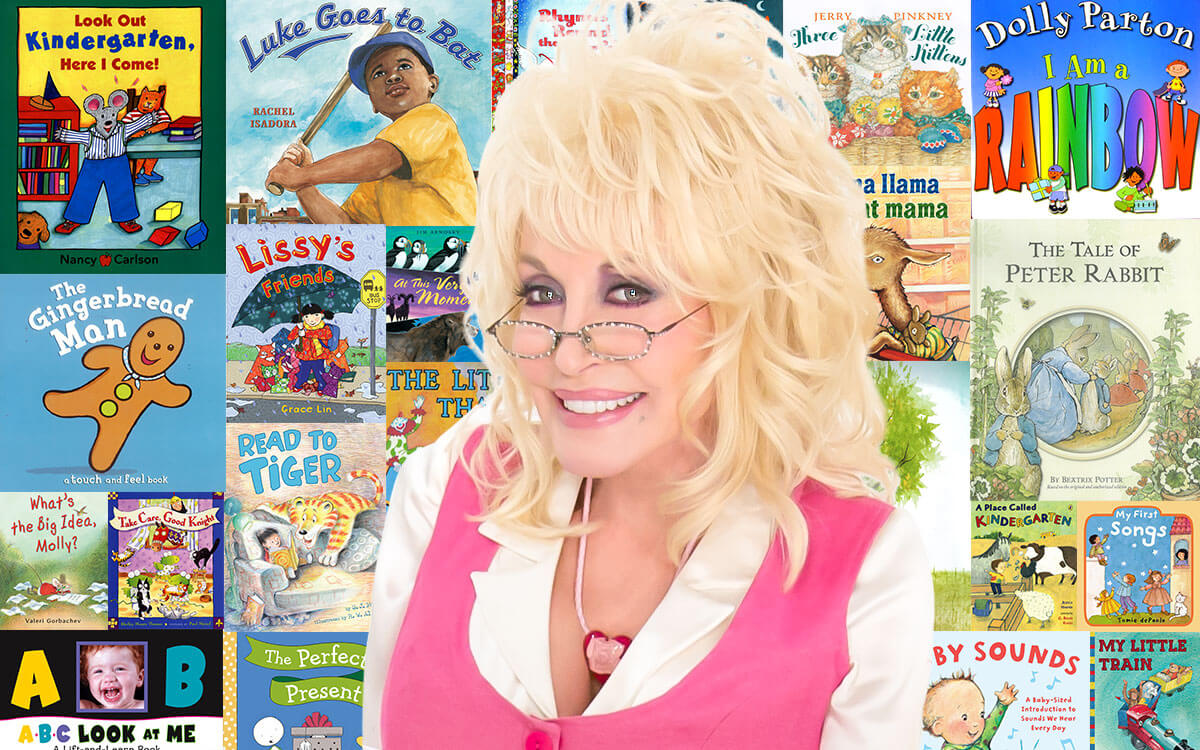
Her Imagination Library has mailed hundreds of millions of free books to children. She poured money into East Tennessee after wildfires. She backed literacy, HIV/AIDS causes, and rural health. She was open about plastic surgery, faith, sex, and money without sounding like a culture-war combatant. That combination — rhinestones and grit, camp and sincerity — is why she polled as one of the most popular figures in American life even in a vicious decade.
In a 2016 clip that users dropped under Ivanka’s post, Parton said she did not believe Christians should judge gay people: “If you’re gay, you’re gay. If you’re straight, you’re straight. You should be allowed to be how you are and who you are.” That video became a rebuttal meme this week. It does not prove she “hated” the Trump family. It does show why some fans treat any MAGA-adjacent tribute as a claim they want to contest.
Conspiracy corners also tried to annex the death. Some far-right accounts blamed the COVID vaccine she had publicly supported, floating “turbo cancer” claims that health reporters and fact-checkers said have no evidence. That theory is a separate, uglier sideshow. It is worth naming only because it shows how fast a beloved death becomes content.
So was the tribute wrong — or just politically expensive?
Two things can be true at once.
Ivanka’s post was, on its face, a standard celebrity condolence: a favorite quote, a list of accomplishments, an admission they never met. Millions of people who are not Trumps posted similar notes. Many of those notes used the same “love and accept” line because it is one of Parton’s cleanest summaries of herself.
The political cost was predictable. When your last name is Trump in 2026, quoting a unifying saint about kindness is going to be read as a dare. Critics heard hypocrisy. Allies heard grief. The algorithm rewarded the fight.
Parton herself would probably have hated the whole argument. She spent 60 years ducking the trap both sides are now building around her coffin. She wanted the songs, the park, the books, and the joke about the hair. She did not want to be a purity test.
What this week actually leaves behind
By Sunday, the news cycle had already split. Serious obituaries stayed with the music and the philanthropy. Engagement-driven coverage stayed with Ivanka’s replies, Trump’s radio comments, and the Medal of Freedom refusals.
The country lost a writer who could make poverty sound like pride and heartbreak sound like a singalong. That is the fact that will last longer than any quote-tweet.
Ivanka Trump tried to say goodbye with a line Dolly used to explain why she could love people who did not love each other. A large part of the internet answered that the family she belongs to has not earned that line. Whether that verdict is fair is a political argument. Whether Dolly Parton would have wanted her funeral week spent on it is not much of an argument at all.
She already told anyone who was listening how she preferred to be remembered: not as a weapon, and not as a prize. As a woman who tried, in her own flashy way, to love and accept. The rest of the country is still deciding whether it can do the same.
