Cremation has become the most common way many families say goodbye. In the United States the rate reached approximately 61.8% in 2024 and is projected around 63% in 2025, more than double the burial rate. Canada sits higher still (over 76%), while countries such as Japan approach near-universal cremation. Globally the practice accounts for roughly half of all dispositions, driven by cost, land scarcity, personal preference, and shifting cultural attitudes.
Yet many people still feel uneasy. They wonder what actually happens inside the chamber, whether the remains they receive truly belong to their loved one, whether the process is dignified, and how different faiths view cremation in relation to the soul. Here is a clear, respectful, evidence-based look at both the physical reality and the spiritual questions.
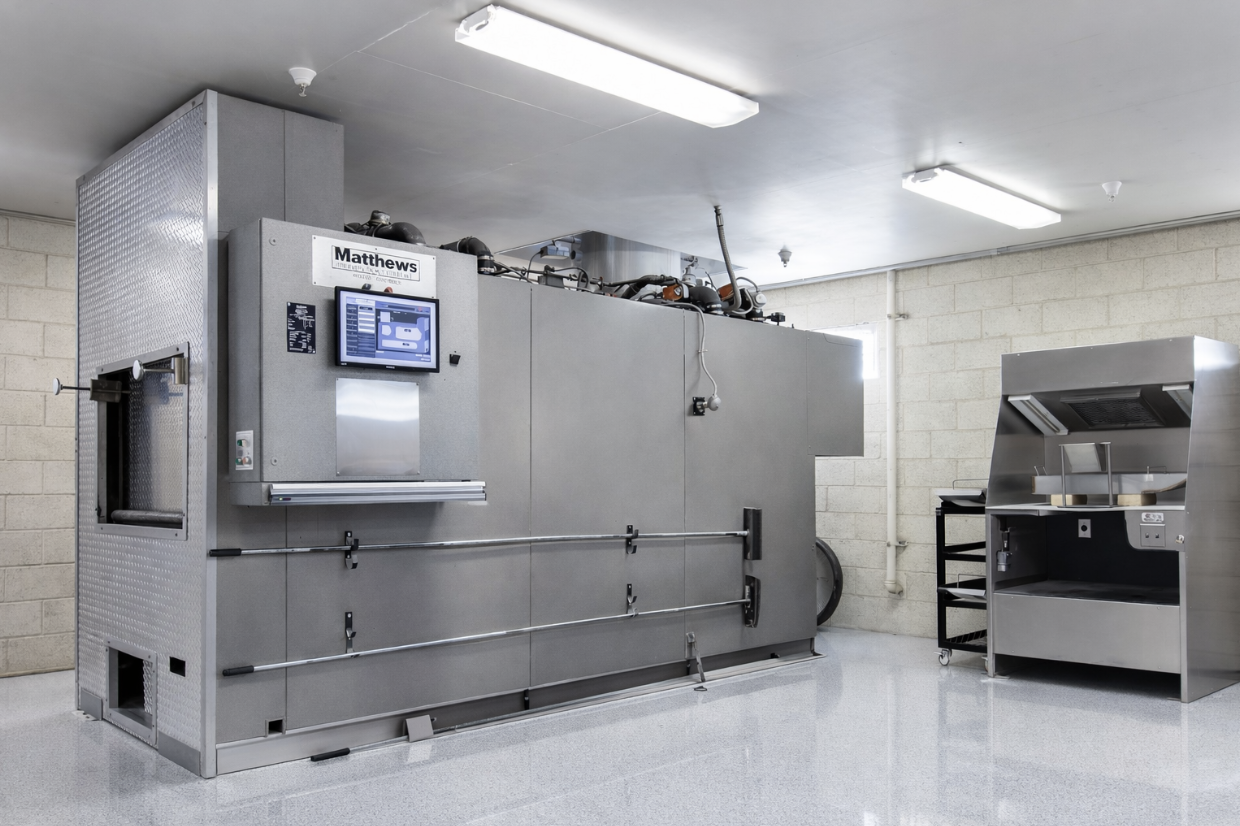
What Actually Happens During Cremation
Every licensed crematory follows strict identification and chain-of-custody protocols. Upon arrival the deceased is verified against paperwork. A unique metal identification disc (or barcode system) is assigned and remains with the body through every stage — placement in storage, entry into the chamber, removal, processing, and final packaging. Families receive a cremation certificate that includes the person’s name and registration number. Multiple staff checkpoints and dual-sign-off procedures further reduce any risk of error.
Before the process begins, staff inspect the container and remove items that cannot safely be burned. Pacemakers and certain medical devices are taken out because they can explode under extreme heat. Jewelry, prosthetics, and other non-combustible materials are noted and later recovered.
The body, usually in a combustible container (wood, cardboard, or similar), is placed into a specialized chamber called a retort. Modern retorts are computer-controlled, lined with high-temperature refractory material, and equipped with primary and secondary combustion chambers to ensure complete and clean burning of gases. Temperatures typically range from 1,400°F to 1,800°F (760°C to 980°C), with many facilities operating around 1,600–1,700°F.
The process unfolds in stages:
- Initial ignition of the container and evaporation of water content (the body is 65–85% water).
- Primary combustion of soft tissues, organs, and fat.
- Secondary combustion of remaining gases.
- Cooling period.
Active cremation for an average adult takes 1.5 to 3 hours, depending on body size, bone density, and equipment. Larger individuals require longer. After cooling (another 30–120 minutes), operators carefully remove the remaining bone fragments — primarily calcium phosphates — along with any non-combustible metals such as surgical implants or dental work. Metals are separated (and often recycled). The bone fragments are then placed in a cremulator, a machine that reduces them to a uniform, sand-like consistency. This is what families receive as “ashes” or “cremated remains.”
For an average adult the remains typically weigh 3 to 8 pounds (sometimes up to 9). Only one person is cremated at a time. Strict protocols and thorough cleaning between cycles prevent mixing.
Common Fears, Quietly Answered
Are the ashes really my loved one’s? Yes. The permanent metal ID tag travels with the remains from start to finish. Reputable facilities follow industry guidelines (such as those from the Cremation Association of North America and ICCFA) that prohibit simultaneous cremation of more than one individual without explicit written authorization. The system exists precisely to eliminate mix-ups.
Does the person feel anything? No. Once clinical death has occurred, the nervous system has ceased functioning. There is no awareness and no pain.
Are they really “ashes”? Not in the everyday sense of wood-fire ash. Soft tissue and fluids are vaporized. What remains are pulverized bone fragments — a coarse, grayish-white or light-gray material with a sand-like texture. DNA is destroyed by the heat.
Is the process undignified or industrial? Licensed facilities emphasize dignity, privacy, and transparency. Many offer the option for a family member to witness the placement into the chamber. The process is conducted with care and regulated by state or provincial law.
Environmental Considerations
Cremation and traditional burial both carry environmental costs. A typical gas-powered cremation emits roughly 100–250 kg of CO₂-equivalent (estimates vary by study and equipment efficiency), comparable to a medium-length car journey. Mercury from dental fillings can be released unless filtered; modern facilities increasingly use scrubbers.
Traditional burial involves embalming chemicals (formaldehyde-based fluids), hardwood or metal caskets, concrete vaults, and permanent land use. Cemeteries occupy more than a million acres in the U.S. alone. Lifecycle analyses often show cremation producing lower land impact, lower mineral/metal consumption, and reduced water use compared with conventional burial, though neither is carbon-neutral. Natural or “green” burial (no embalming, biodegradable shroud or container, shallow grave) and newer options such as human composting generally rank lower in overall environmental footprint.
What Cremation Means for the Soul — Across Traditions
Beliefs about the soul and the proper treatment of the body differ widely. Cremation is neither universally accepted nor universally rejected.
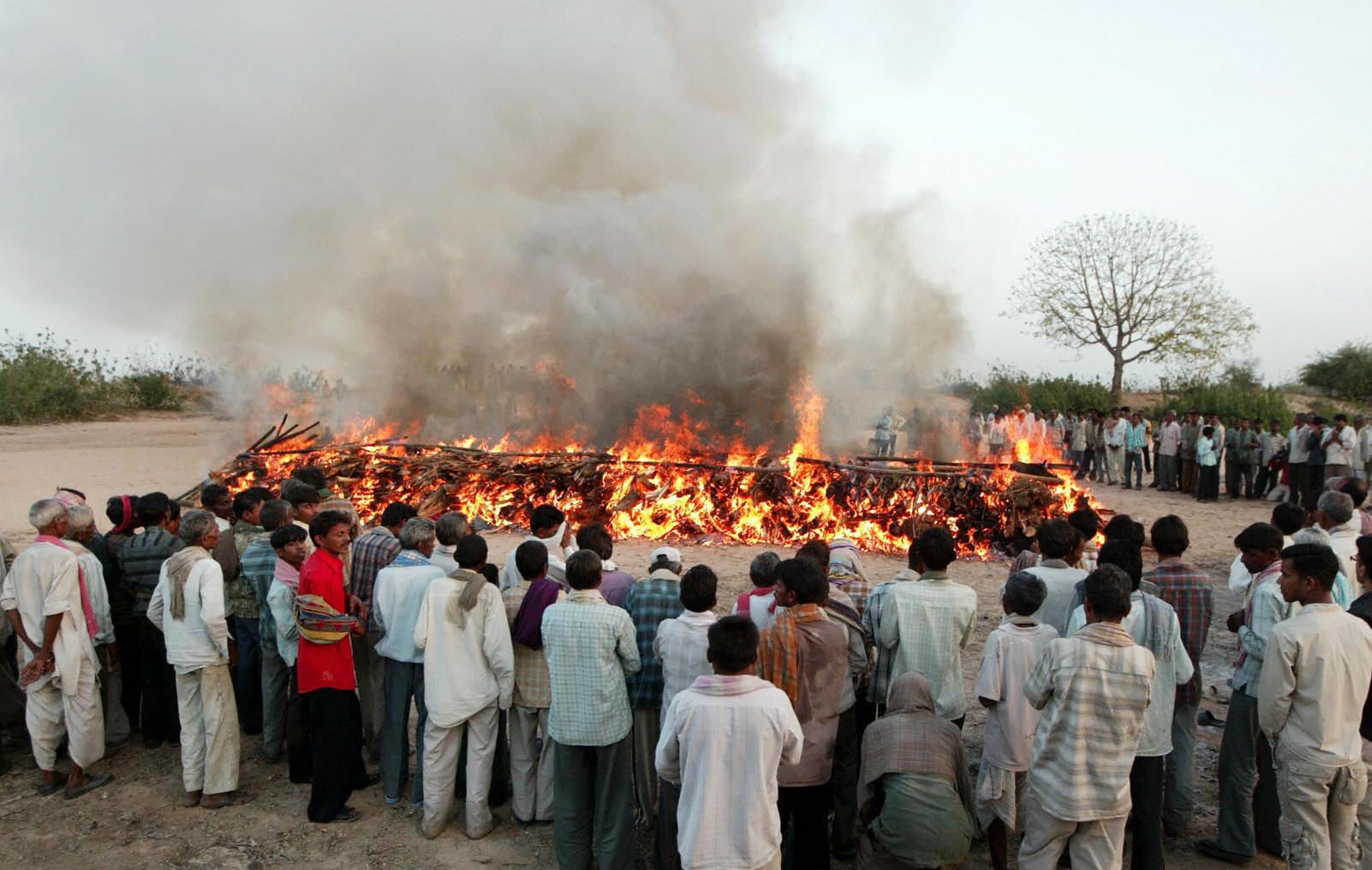
Hinduism Cremation is the traditional and preferred practice. Fire is sacred and is believed to help the eternal soul (atman) detach from the temporary physical body so it can continue its journey through samsara (the cycle of rebirth) toward eventual liberation (moksha). Traditional open-air pyres remain common in parts of India, while many diaspora communities use modern crematoria while preserving the ritual intent.
Buddhism Cremation is widely practiced and often preferred. It reflects the core teaching of impermanence (anicca). The physical body is seen as transient; consciousness continues through rebirth. The historical Buddha himself was cremated.
Christianity Positions vary by denomination.
- The Roman Catholic Church permitted cremation in 1963 (provided it is not chosen as a denial of bodily resurrection) and clarified guidelines in 2016: ashes should be kept together in a sacred place (cemetery or columbarium), not scattered or divided.
- Most Protestant denominations accept cremation as a personal or practical choice; the soul’s destiny is understood to rest with God rather than the method of disposition.
- Eastern Orthodox and some conservative traditions generally prefer or require burial.
Judaism Orthodox Judaism prohibits cremation, viewing burial as a commandment that returns the body to the earth and honors its sanctity. Reform Judaism is more permissive, though burial remains preferred by many. Historical associations with the Holocaust make the practice especially sensitive for many Jewish communities.
Islam Cremation is prohibited (haram) across mainstream Sunni and Shia jurisprudence. The body is considered a trust (amanah) that must be treated with dignity and returned to the earth, ideally within 24 hours. Burial is required.
Secular and non-religious perspectives Many view cremation as a practical, economical, or ecological return of the body to the elements once consciousness has ceased. Others choose it for simplicity or to free families from the costs and permanence of traditional burial plots.
A Choice Rooted in Respect
Whether selected for spiritual reasons, environmental concerns, cost (direct cremation is often significantly less expensive than a full traditional funeral and burial), or personal preference, modern cremation is governed by protocols designed to treat the deceased with care. The metal identification system, single-body practice, careful handling of remains, and transparency offered by reputable facilities exist so families can feel confident.
Understanding the physical process removes much of the mystery and fear. Understanding the range of religious and philosophical views allows each family to make a decision that aligns with their values and the wishes of the person who has died. For many, that knowledge itself becomes a quiet form of peace.
The remains you receive are your loved one’s. The process is regulated and intentional. And the meaning of those remains — whether kept in an urn, interred, scattered in a meaningful place, or incorporated into a memorial — belongs to the living who continue to remember.

In the end, cremation is one respectful path among several. Clarity about what happens, both physically and in the eyes of different traditions, helps families move forward with greater certainty and less doubt.