A single word in a private 2018 email between Jeffrey Epstein and his brother Mark has once again exploded across social media, fueling wild speculation, memes, and political finger-pointing. The message resurfaced amid fresh waves of attention on newly released Epstein-related documents and photographs, prompting Mark Epstein to issue a clear public denial.
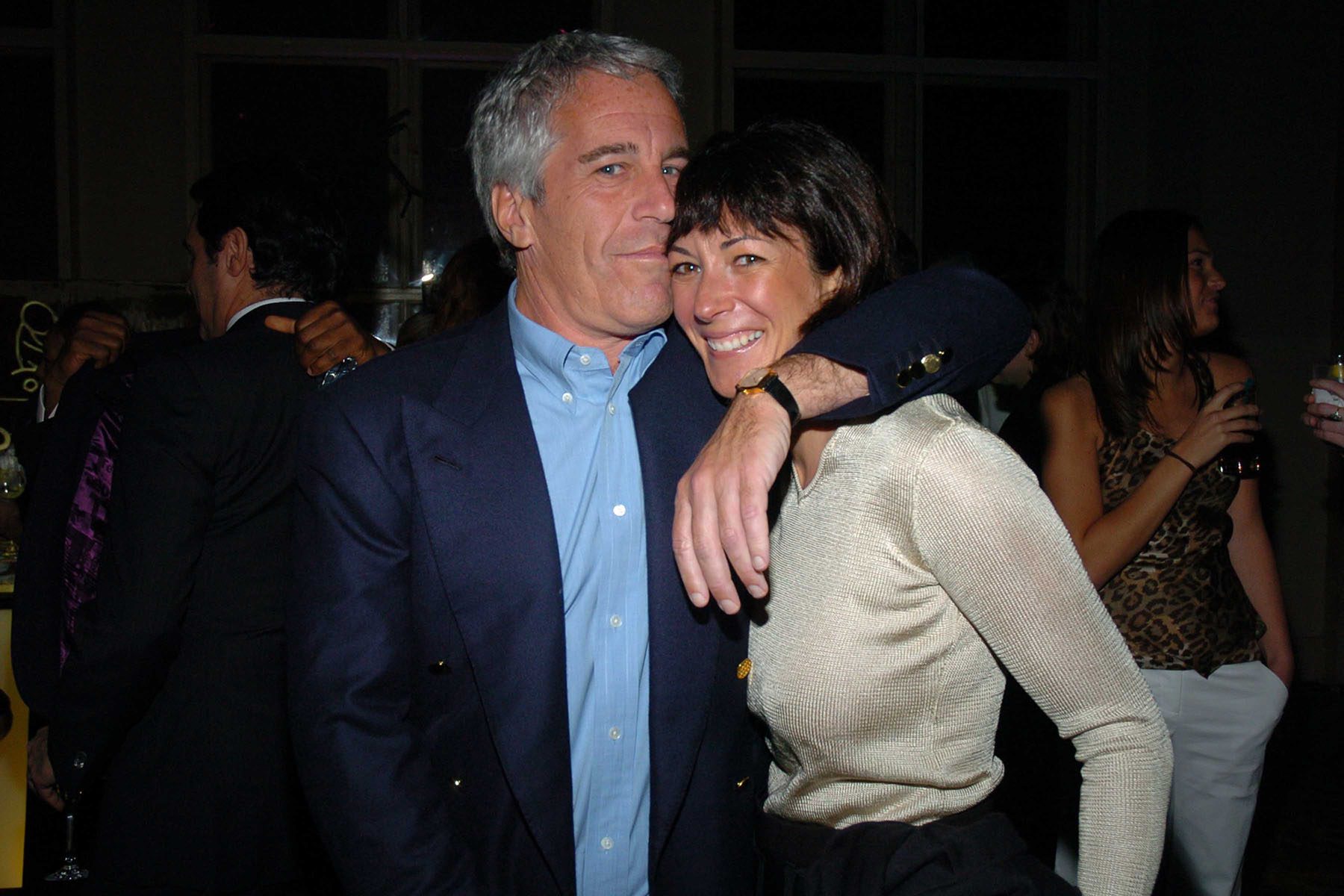
The Department of Justice has been releasing millions of pages, images, and videos tied to the late financier under the Epstein Files Transparency Act. Among the materials that grabbed attention were photographs showing Epstein with Donald Trump, Ghislaine Maxwell, and others. One set of images depicting people in a swimming pool setting went particularly viral, reigniting debates about the social circles surrounding Epstein.
Yet it was not the photos that generated the loudest online reaction. It was an old email exchange that had appeared in earlier document dumps and was suddenly thrust back into the spotlight.
The “Bubba” Email That Broke the Internet
In early 2018, Mark Epstein emailed his brother Jeffrey with a pointed suggestion. Jeffrey had indicated he was with Steve Bannon, the former Trump adviser. Mark replied by urging Jeffrey to ask Bannon whether Russian President Vladimir Putin held compromising material on Trump—specifically “photos of Trump blowing Bubba.”
Jeffrey’s response was short and laced with dark humor: “and I thought — I had tsuris” (Yiddish for troubles or worries).
“Bubba” is a well-known nickname long associated with former President Bill Clinton. Social media users immediately connected the dots, flooding platforms with theories that the email alleged something sexually compromising involving Trump and Clinton. Memes proliferated. Conspiracy accounts treated the message as confirmation of long-circulating rumors. The phrase “Trump blowing Bubba” became a trending shock claim almost overnight.

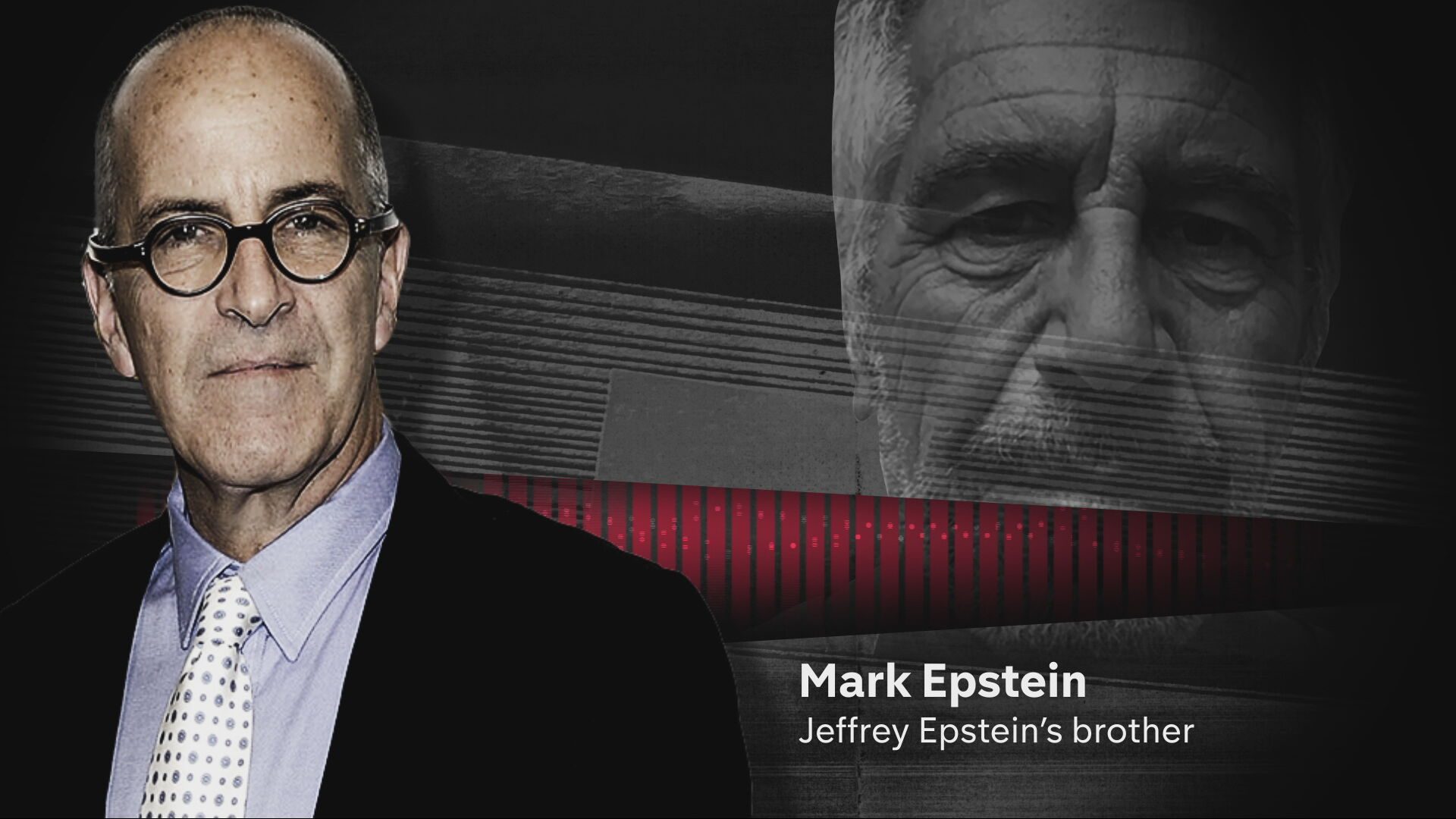
Mark Epstein, a real-estate investor who has largely stayed out of the spotlight compared with his infamous brother, moved quickly to shut the speculation down.
Mark Epstein’s Clear Denial
In a statement shared through journalists, including Business Insider’s Jacob Shamsian and outlets such as The Advocate, Mark Epstein addressed the controversy directly:
“For the avoidance of doubt, the reference to ‘Bubba’ in this correspondence is not, in any way, a reference to former President Bill Clinton.”
He described the entire exchange as a “humorous, private” conversation between two brothers that “were never meant for public release or to be interpreted as serious remarks.” A spokesperson for Mark, Ali Clark, further clarified that “Bubba” referred to “a private individual who is not a public figure.”
The clarification did little to stop the online frenzy. Many users treated the denial itself as suspicious, while others accepted it at face value and moved on. The email remains one of the more colorful artifacts from the broader Epstein document releases, illustrating how private banter between siblings can take on an entirely different life once made public.


Context: Trump, Epstein, and the Long Paper Trail
Donald Trump and Jeffrey Epstein moved in overlapping social circles in New York and Palm Beach during the 1990s and early 2000s. Publicly available photographs show them together at events. Flight logs and other records confirm Trump flew on Epstein’s plane multiple times in that era. Trump later said he banned Epstein from Mar-a-Lago after an incident involving a member’s teenage daughter, and the two men had a falling-out around 2004.
No criminal charges have ever been filed against Trump in connection with Epstein’s crimes. Trump has repeatedly described the relationship as limited and has criticized the handling of Epstein’s case over the years. The newly released materials continue to document mentions of Trump in emails, flight records, and photographs, but they have not produced evidence of the specific compromising material referenced in the 2018 brotherly exchange.
Steve Bannon, the figure Mark suggested Jeffrey consult, was a senior Trump campaign and White House adviser at the time of the email. Whether the question was ever actually put to Bannon remains unknown; the email itself gives no follow-up.

The Broader Files Release and Political Fallout
The latest attention arrives after a messy, multi-stage release process. Congress passed the Epstein Files Transparency Act in late 2025. The Justice Department has since published roughly 3.5 million pages along with tens of thousands of images and videos drawn from investigations in Florida and New York, the Maxwell case, and related probes.
Critics on both sides of the aisle have accused successive administrations of slow-walking or selectively releasing material. In mid-July 2026, Vice President JD Vance addressed the controversy head-on during an appearance on The Joe Rogan Experience.
“We absolutely screwed up the comms of the Epstein files. Like, we just did,” Vance said. He insisted there was no deliberate effort to hide information and defended former Attorney General Pam Bondi, saying she had overstated the contents of certain materials while responding to intense political pressure.


Vance’s admission added fresh fuel to the ongoing debate about transparency, political accountability, and the lingering cultural fascination with every scrap of Epstein-related material.
Why This Story Keeps Returning
Epstein’s network of powerful acquaintances, the scale of the abuse he facilitated, and the incomplete nature of public disclosures have kept interest high years after his 2019 death. Every new batch of documents or photographs—whether showing social scenes, emails, or flight logs—sparks renewed scrutiny of who knew what and when.
The “Bubba” email is a perfect example of how a private joke can be stripped of context and transformed into a political weapon. Mark Epstein’s response draws a firm line: the reference was not about Bill Clinton, the exchange was not serious, and it was never intended for public consumption.
Whether that clarification satisfies the public is another matter. Online, the claim continues to circulate alongside the photographs and the broader document dumps. For those following the story, the episode underscores a larger truth about the Epstein files: even when new material arrives, old questions rarely disappear. They simply find new ways to resurface.
The full set of released documents remains available through Justice Department repositories for anyone who wants to examine the primary sources themselves. As additional material continues to surface, expect more private emails, more photographs, and more attempts by those named or referenced to set the record straight.