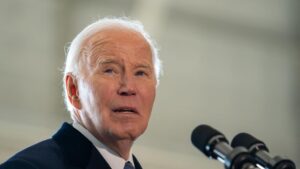
Former President Joe Biden is opening up about his prostate cancer diagnosis, the difficult decisions he says he would have made while in office, and how the illness has changed his life. Meanwhile, recently published photographs have sparked debate online.
Former U.S. President Joe Biden has made a deeply personal admission about his health, saying he would have stepped away from the presidency if he had known he was living with cancer while serving in the White House.
The 83-year-old former president, who turns 84 on November 20, 2026, has been diagnosed with aggressive prostate cancer that spread to his bones. His latest reflections come as he discusses his memoir and the physical and emotional challenges of his illness.
Speaking in an interview with People, Biden explained that knowing about the disease earlier would have changed his thinking about seeking reelection in 2024. The comments have revived questions about his health during the final years of his presidency, while offering a glimpse of the personal reality of confronting a serious illness.
At the same time, photographs published with the interview have generated social-media speculation about how the former president looks. Such comments do not establish anything about his health or the authenticity of the images.
Biden reveals the decision he says he would have made
Biden’s remarks about his diagnosis are striking given the intense scrutiny of his age and health during the 2024 presidential election.
He explained that if he had known he had cancer, he would have viewed the prospect of campaigning for another term differently. His observation was hypothetical: he did not say that he knew he had cancer while president or that he concealed such a diagnosis.
That distinction is important. Biden’s cancer was publicly announced in May 2025, after he had left office. Debate over when the disease developed is not the same as evidence that he or his medical team knew about it earlier.
His comments nevertheless add another dimension to public discussions about his unsuccessful reelection effort, the pressures facing older political leaders, and the personal costs of serving in high office.
What happened during Biden’s 2024 presidential campaign?

Biden’s 2024 campaign was marked by growing public concern over his age, stamina and ability to serve another four years.
A pivotal moment came during the June 27, 2024, debate against Donald Trump. His performance sparked intense discussion among Democrats, political commentators and voters. Some party members urged him to end his campaign, while others initially backed him as the nominee.
On July 21, 2024, Biden announced that he would no longer seek reelection and endorsed Vice President Kamala Harris. Harris became the Democratic nominee and lost the November election to Trump.
The former president has continued to defend his ability to perform presidential duties while acknowledging that the campaign unfolded under difficult circumstances.
His cancer diagnosis, disclosed the following year, prompted renewed discussion of those events. However, no publicly established medical evidence proves that prostate cancer caused his debate performance or another specific political decision. A later diagnosis does not, on its own, explain an earlier event.
Biden’s advanced prostate cancer diagnosis: What we know
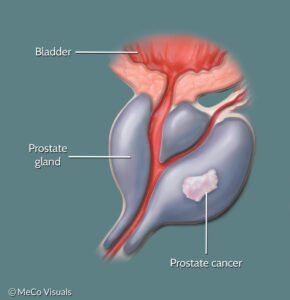
In May 2025, Biden’s office announced that he had been diagnosed with an aggressive form of prostate cancer that had spread to his bones. The diagnosis followed a medical evaluation after urinary symptoms.
Cancer that has spread beyond the prostate to distant parts of the body is known as metastatic prostate cancer, commonly classified as stage 4. The condition is serious, but its course and response to treatment vary between patients.
Biden’s medical team described his cancer as hormone-sensitive. This matters because therapies that lower or block the effects of particular hormones can help manage the disease.
According to the National Cancer Institute, hormone therapy is an established treatment option for advanced prostate cancer. Radiation may also be used in selected circumstances to address cancer sites or symptoms.
Biden has undergone treatment including radiation and hormone therapy. While encouraging treatment results can be meaningful, they should not be confused with confirmation that advanced metastatic cancer has been cured.
Biden shares an encouraging update about treatment
Biden has expressed optimism about his medical care despite the demands of treatment. In recent remarks, he has discussed follow-up testing and the medication he takes as part of managing the disease.
Public updates have described progress with his radiation treatment. Still, the day-to-day experience of cancer can remain difficult even when doctors report a favorable response.
In comments about his health, the former president has acknowledged that some days are harder than others and that his condition sometimes slows him down. He has also indicated that health considerations affect how many public and promotional appearances he can make.
There is an important difference between a treatment working as intended and a patient returning immediately to their previous routine. Managing advanced cancer can mean ongoing medical appointments, medication, monitoring, fatigue and the need to conserve energy.
No outside observer can reliably judge the progression of Biden’s illness from a photograph or a short public appearance. The most meaningful updates come from documented medical statements, while an individual’s prognosis remains a private clinical matter.
New photos of Joe Biden spark unexpected controversy

Alongside its interview, People published photographs offering readers a look at Biden’s life away from the White House. Images taken in Wilmington, Delaware, drew attention as readers examined his appearance after his cancer diagnosis.
Some social-media users responded positively; others speculated about whether the pictures had been digitally enhanced or altered with artificial intelligence. Those posts amount to unverified speculation, not evidence that the publication used AI-generated images.
Photographs are a poor basis for medical conclusions. Lighting, camera angles, expressions and ordinary photo processing can change how someone looks, while serious illness does not have one predictable outward appearance.
The attention surrounding these pictures shows how strongly the former president remains in the public spotlight. It does not establish new facts about his diagnosis, treatment or prognosis.
See the People interview and original photography.
Jill Biden speaks about the emotional reality of caregiving

Biden’s diagnosis also affects his family, particularly his wife, Jill Biden. She has spoken about the routines involved in supporting someone through cancer treatment, including attention to medicines, medical appointments, diet and everyday well-being.
Caregiving can be emotionally and physically demanding even when families have substantial support. Plans for retirement, travel and time together may need to change around treatment schedules and periods of fatigue.
The Bidens’ experience reflects a broader reality: a serious diagnosis reaches beyond the patient. Spouses, children and relatives often become organizers, advocates and emotional anchors while also processing their own uncertainty.
Biden has credited his family with helping him manage treatment. Their longtime partnership remains central to the story of his life after the presidency.
The personal connection behind Biden’s fight against cancer
Cancer has profoundly affected the Biden family before. His eldest son, Beau Biden, died of brain cancer in 2015 at age 46.
That loss helped shape Biden’s longstanding support for research and treatment. He championed the Cancer Moonshot, an initiative intended to accelerate scientific progress, improve care and reduce cancer deaths.
Now facing cancer as a patient, Biden is dealing personally with uncertainties familiar to many families. His case also draws attention to the importance of specialized medical care, research into advanced therapies and practical support for caregivers.
The former president’s access to experienced clinicians does not remove the challenges of the diagnosis. His family’s story helps explain why cancer research has remained an important part of his public identity.
Biden reflects on Trump, family and his presidential legacy

The interview also touched on political issues, including President Donald Trump, Biden’s legacy and his decisions during his final months in office.
Biden discussed Trump’s changes to the White House and defended his own decision to pardon his son, Hunter Biden, in December 2024. That pardon drew criticism from Republicans and some Democrats because Biden had previously indicated that he would not intervene in his son’s legal matters.
Supporters of the pardon viewed it as protection against possible political retaliation. Critics argued that it raised questions about equal treatment under the law. Both reactions remain part of the debate over Biden’s presidency.
His recent remarks show that he has not entirely withdrawn from political conversation. Nonetheless, health and family appear to occupy an increasingly significant place in his public reflections.
His memoir offers another look at a historic presidency
Biden’s memoir, Promise Me, America, was released in November 2026. It revisits his time in the White House, the events that defined his administration and difficult political choices, including the end of his 2024 campaign.
The book gives him an opportunity to present his own account of decisions that have been heavily debated by voters, political opponents and members of his own party.
It arrives during an especially personal period, as the former president continues cancer care and approaches his 84th birthday.
Historians’ evaluations of his presidency will depend on far more than a single interview: domestic achievements, foreign-policy choices, the 2024 election and the circumstances of his withdrawal will all form part of the record.
What Biden’s health update means for the future
For now, Biden’s priorities appear to include continuing medical care, spending time with family and sharing his perspective on his presidency.
His illness remains serious. There is no reliable public basis for estimating his individual life expectancy, and reports of a positive treatment response should not be interpreted as a guarantee of recovery.
The story also offers a broader public-health reminder. Urinary symptoms can have causes other than cancer, but persistent or worsening symptoms deserve medical assessment. Screening for prostate cancer should be discussed individually with a qualified healthcare professional, particularly because recommendations vary with age, health and risk factors.
Biden’s statement that he would have resigned if he had known about his illness is unlikely to settle arguments about the 2024 election. It does, however, reveal how the diagnosis has influenced his understanding of his final years in office.
As public interest in new photographs and political interviews continues, the most important developments will be those concerning his treatment, comfort, quality of life and the family supporting him.