Updated October 31, 2026
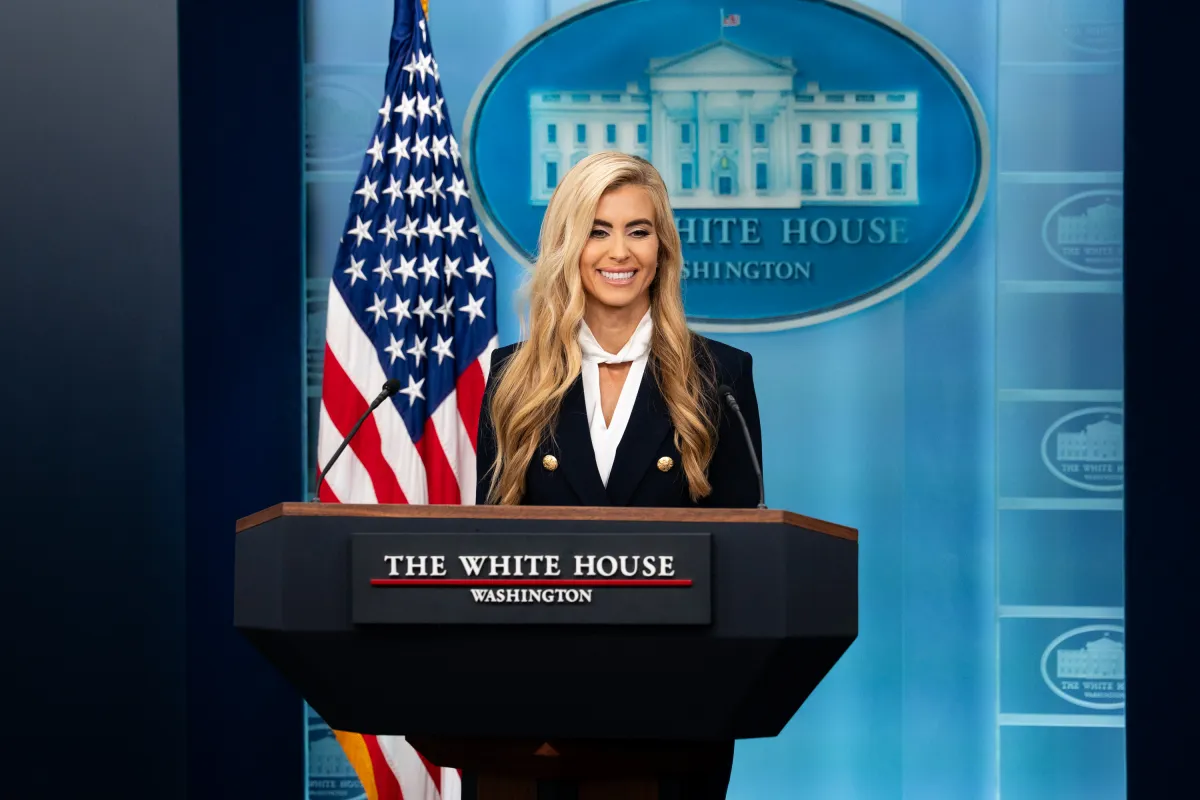
A resurfaced Katie Zacharia 2013 photo has set off a new round of online debate about politics, beauty standards and the scrutiny faced by women in prominent public positions. The image, reportedly taken from a March 2013 Instagram post, shows Zacharia in a casual outfit holding bubble tea. It resurfaced after her first White House press briefing on October 13, 2026, as internet users compared it with photographs of her at the presidential podium.
Some commenters described her as “unrecognizable” and invoked a so-called “MAGA makeover.” Others objected that comparing photos taken 13 years apart proves very little. The debate unfolded against a more consequential political story: Zacharia’s first briefing lasted about 14 minutes, and she left the press secretary position on October 16, only days after taking the job.
What is verified? The appointment, the briefing, the resurfaced-photo discussion and her subsequent departure are documented in published reporting. Claims that Zacharia underwent Botox, fillers or cosmetic surgery remain unverified speculation, not established facts.
The 2013 photo that launched a viral before-and-after discussion
The old photograph became an unexpected focal point of the story. According to contemporary reports about the social-media reaction, the picture came from a March 2013 Instagram post and shows Zacharia smiling while holding a CoCo bubble tea. She wears a gray cap and jacket, a far more casual presentation than the carefully styled appearance seen in her 2026 White House photographs. The reported original caption read, “Love me my bubble tea.”
The time gap matters. Thirteen years separate the images, during which clothing, hairstyles, makeup preferences, camera equipment and professional responsibilities can all change dramatically. A casual phone snapshot and a high-definition photograph taken beneath the bright lights of a government briefing room are not controlled comparisons.
Online before-and-after collages nonetheless encouraged viewers to look for contrasts in hair, eyebrows, lipstick and overall styling. One widely circulated comment characterized the difference as a “MAGA makeover.” The phrase quickly became a shorthand for a broader conversation that was already taking place about beauty trends in Donald Trump’s political circles.
Nothing about those images, on its own, establishes a medical or cosmetic history. Images can show differences in appearance; they cannot reliably explain what caused them.
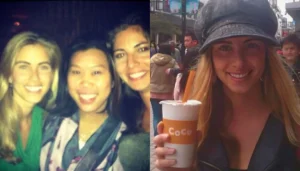
Image credit: Image via Bitty School — copyright permission required before reposting.
What happened during Katie Zacharia’s first White House briefing?
The appearance that drew so much attention took place in the James S. Brady Press Briefing Room on Tuesday, October 13, 2026. President Trump had announced Zacharia’s selection on October 9, naming the former conservative commentator and Trump Media communications adviser to succeed Karoline Leavitt.
Zacharia opened by thanking Trump and emphasizing the administration’s priorities. She also discussed the president’s political travel and his economic and immigration messaging. But her first encounter with the White House press corps was unusually short. Reporting from Gray DC and other outlets put the session at approximately 14 minutes, with questions from just three news organizations: Breitbart, Fox News and the Daily Mail.
Among the substantive moments was Zacharia’s statement that the administration had asked U.S. Ambassador to Greece Kimberly Guilfoyle to resign. Asked whether the United States had stopped sharing intelligence with Ukraine, she said she would need to follow up. She ended the briefing while referring to Trump’s imminent departure and the possibility of reporters questioning him directly.
The small number of questions and the rapid conclusion drew criticism, particularly from journalists who expect the press secretary to regularly explain administration decisions to a broad range of outlets. Supporters, meanwhile, argued that a first appearance under intense scrutiny should not be treated as a definitive verdict on someone’s communications abilities.
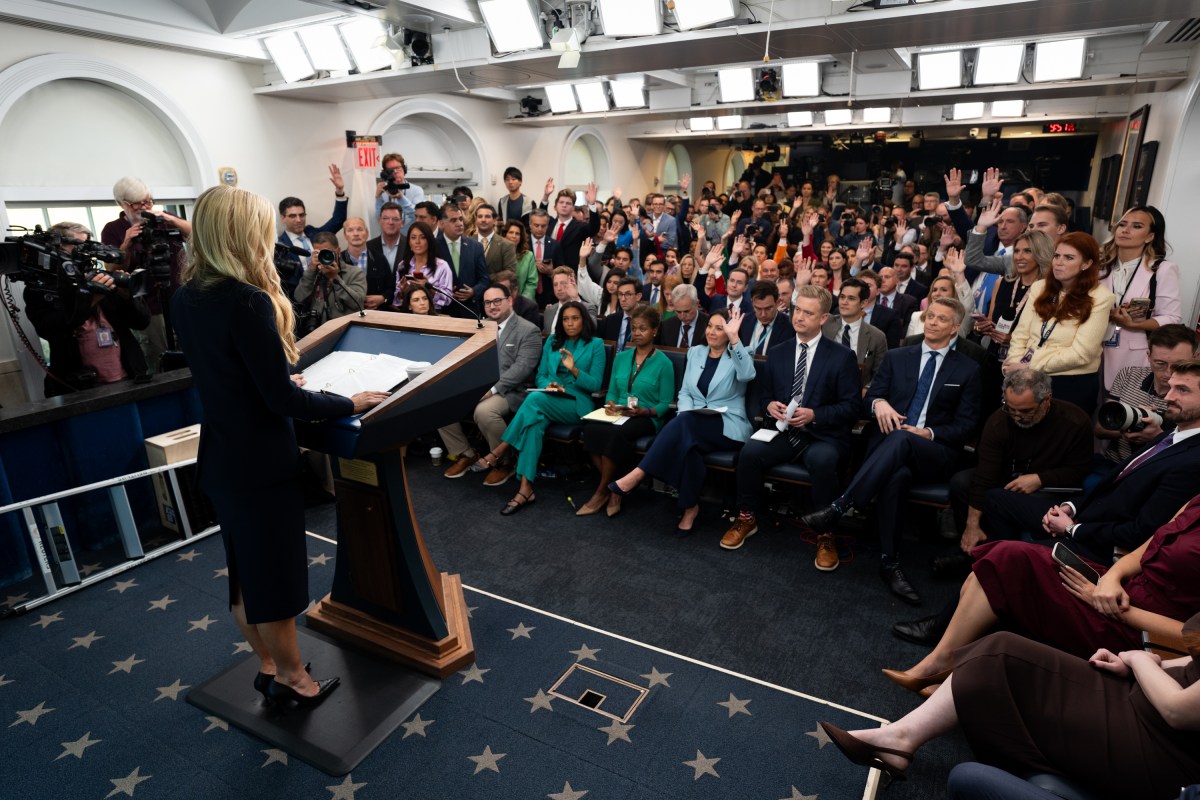
Image credit: Official White House Photo by Andrea Hanks.
What does ‘MAGA makeover’ or ‘Mar-a-Lago face’ mean?
The expression “Mar-a-Lago face” predates the Zacharia story. It is an informal, sometimes mocking label for a highly polished aesthetic associated in online commentary with parts of Trump’s social and political world. Descriptions commonly mention glamorous hair styling, pronounced eye makeup, sculpted-looking cheeks, carefully defined brows and full-looking lips.
The phrase is not a medical diagnosis, a uniform style adopted by everyone in a political movement or proof that any individual has received cosmetic treatment. It describes an impression created by fashion, beauty trends and the way photographs circulate online.
Coverage of the trend has also considered the role of elective cosmetic procedures. For example, Axios reported in November 2025 on Washington-area surgeons receiving requests for more conspicuous treatments inspired by the aesthetic. That reporting helps explain why the phrase was already familiar when Zacharia’s photos circulated. It does not establish that Zacharia had any such treatment.
There is also a cultural dimension: appearance can signal professional polish, social belonging, wealth or familiarity with a particular media environment. Those interpretations are debatable, however, and they should not be substituted for evidence about an individual’s private choices.
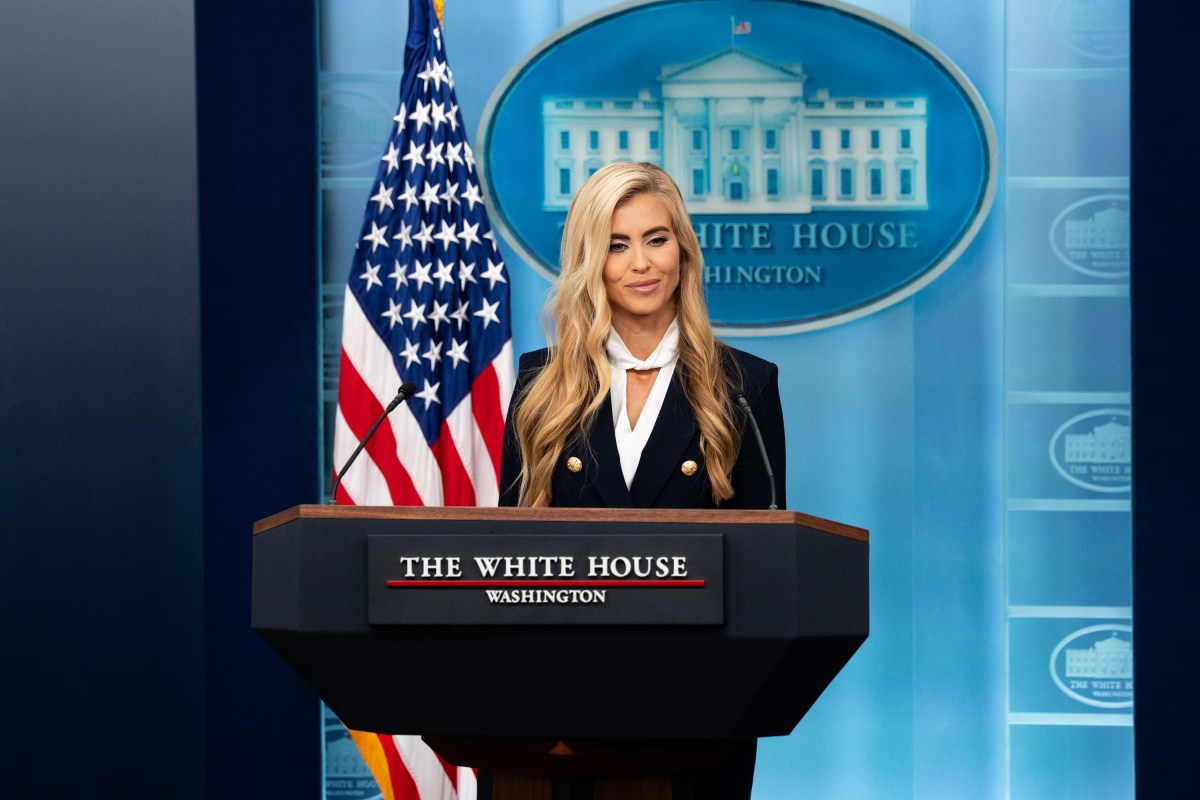
Image credit: Official White House Photo by Andrea Hanks.
The social-media reaction was divided, not unanimous
The online response mixed humor, harsh criticism and straightforward skepticism of the makeover claims. Some users focused on perceived differences in Zacharia’s lips, makeup and hairstyle. Others criticized the discussion for turning a political appointment into a beauty contest. A number of commenters reminded people that most adults do not look exactly as they did more than a decade earlier.
That counterargument is important because viral comparison posts often strip images of their context. Lighting, lenses, facial expression, image compression, makeup and age can all affect how someone looks. Even when pictures are authentic, differences between them cannot reveal whether a person had an injection, a surgical procedure or neither.
There was a separate debate about the briefing itself. Critics questioned the limited opportunity for journalists to ask questions and Zacharia’s command of the room. White House allies defended her background and appointment. These two conversations—the performance of an official public duty and rumors about personal appearance—are not interchangeable, even when social media blends them together.
The more responsible question is not whether viewers can guess what produced a particular look. It is why a 13-year-old image became almost as prominent as the government announcements made during a White House briefing.
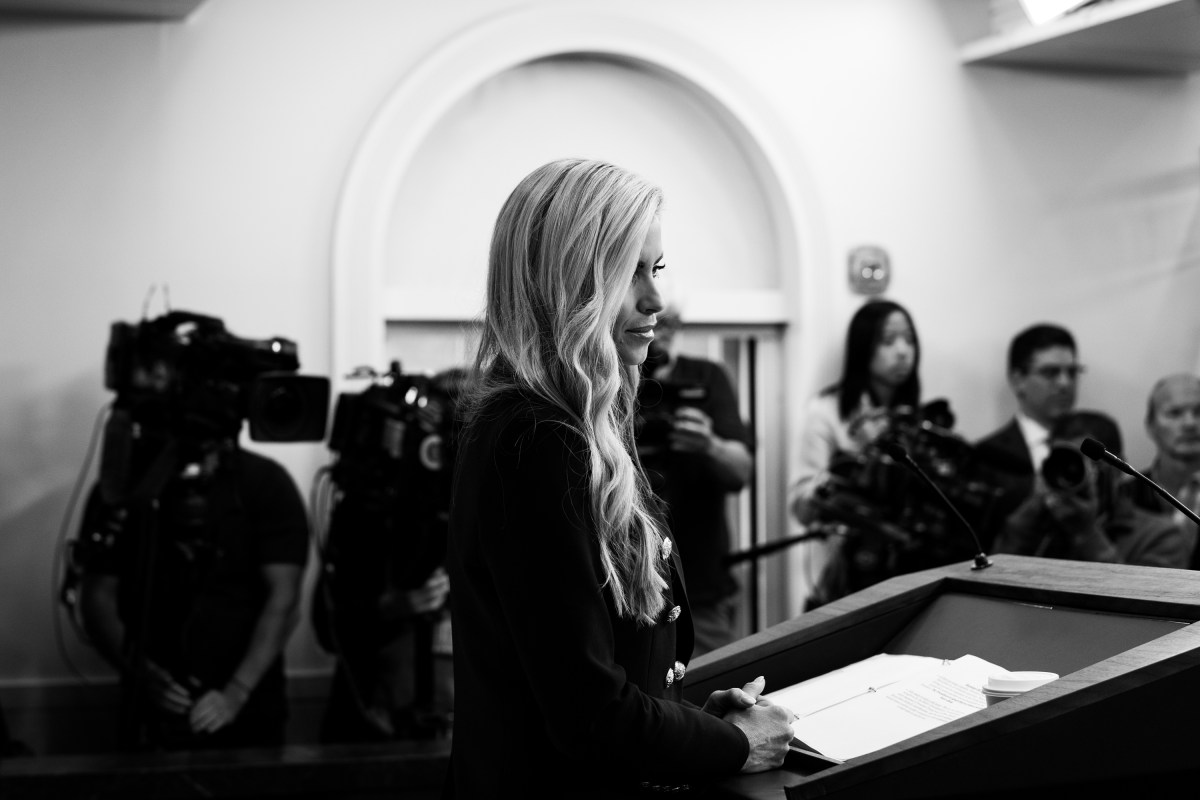
Image credit: Official White House Photo by Andrea Hanks.
Who is Katie Zacharia? Education and career before the White House
Zacharia’s professional history offers important context beyond a viral photograph. Pepperdine University confirmed that she earned an undergraduate degree in 2007 and a Juris Doctor in 2011. According to the university, she has worked in public affairs, conservative media and nonprofit leadership, and previously interned in the George W. Bush White House while studying law.
Her résumé included a spokesperson and public affairs role at the Department of Homeland Security, communications work for Trump Media & Technology Group, commentary on Fox News and Newsmax, and leadership work at Fix California. Pepperdine also identified her as a former director of development for special projects at the university.
Questions about how Zacharia described her legal qualifications emerged during her short tenure. CBS News reported that she acknowledged not having passed the California bar examination; holding a law degree is not the same as being licensed to practice law. Zacharia disputed suggestions that she had presented herself as an attorney licensed to practice. That controversy was reported independently of the online conversation about her appearance.
Her appointment was, therefore, not simply the arrival of a new face at the podium. It brought a politically aligned commentator and communications professional into one of the most visible—and intensely questioned—jobs in American government.
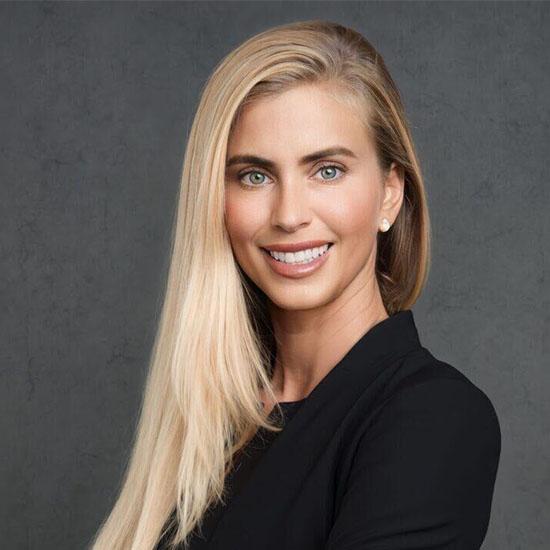
Image credit: Pepperdine University — copyright permission required before reposting.
The major update: Zacharia left the job on October 16
Early coverage of the viral 2013 picture treated Zacharia as the new, active White House press secretary. That chronology changed quickly. On October 16, 2026, CBS News, Axios and ABC News reported that she was leaving or being moved out of the role after her first week. Her October 13 appearance proved to be her only formal White House press briefing in the position.
Her departure drew attention to the briefing’s rocky reception and the separate dispute over her legal credentials. Trump publicly said that the media had been harsh toward her and that he had encouraged her to reconsider taking on the assignment. ABC News also reported at the time that she might transition to another administration role; that possibility should not be mistaken for a confirmed appointment.
On October 27, Zacharia told Newsmax that the media scrutiny surrounding her short tenure had prevented her from concentrating on the job, according to subsequent reporting. Whatever the competing interpretations of her departure, her brief time in the role is now part of the story—and cannot be omitted from an updated article about the viral image.
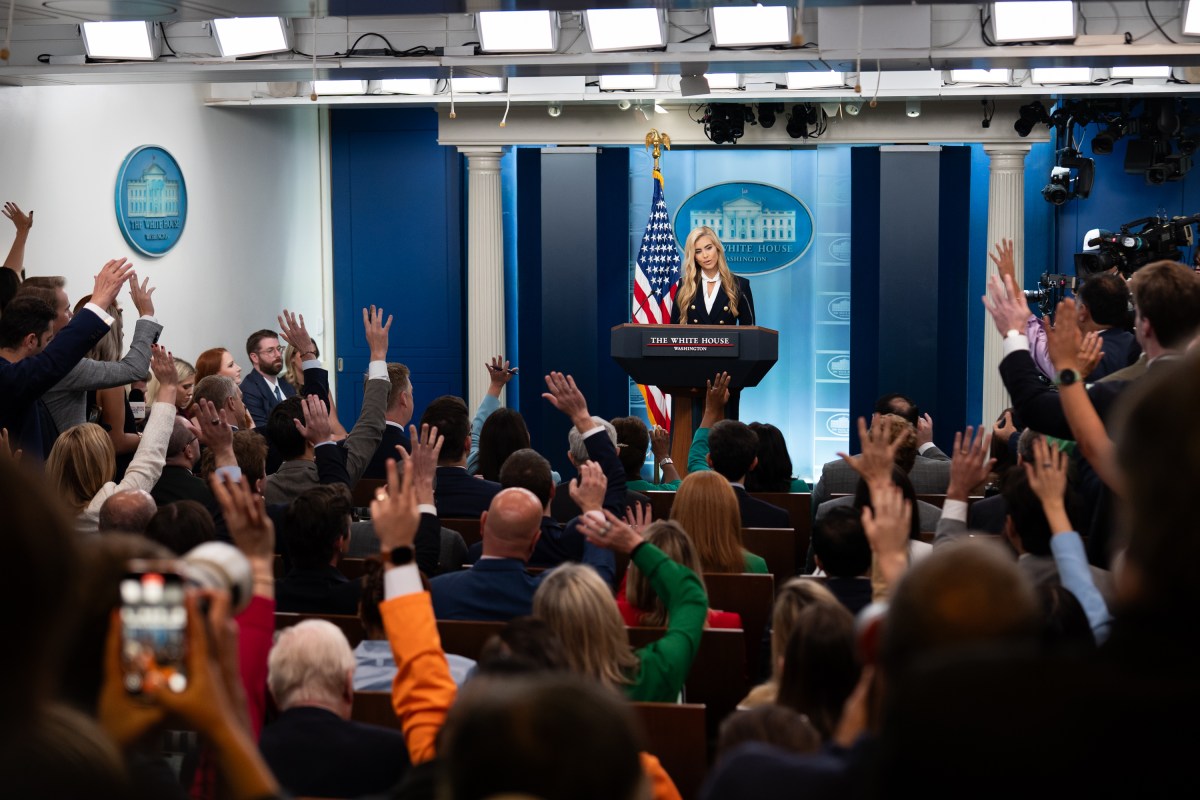
Image credit: Official White House Photo by Andrea Hanks.
Why the photo controversy raises a larger question about women in politics
Public officials should face questions about their decisions, qualifications and access to the press. But appearance-driven speculation often turns into a different kind of scrutiny, particularly for women who spend much of their working lives on camera.
The difference between a personal snapshot and a professional image may be especially noticeable in politics, where news photography captures every gesture under unforgiving lighting. A new hairstyle or stronger makeup can become a headline. An old social-media post can be reframed as evidence of a supposed transformation. And a joking label such as “MAGA makeover” can travel faster than a careful examination of a press briefing.
There is a legitimate cultural story in the changing visual language of American politics, including beauty trends associated with powerful social networks. There is also a clear evidentiary boundary: no observer can responsibly determine what cosmetic treatments, if any, one specific person has received merely by comparing two photographs.
For Zacharia, the political questions were more concrete. Why was the first briefing so short? How would reporters from a wider range of outlets obtain answers? What were her professional qualifications? And how did the administration manage the rapid turnover that followed? Those issues can be reported, verified and debated without turning an individual’s face into an unsupported medical claim.
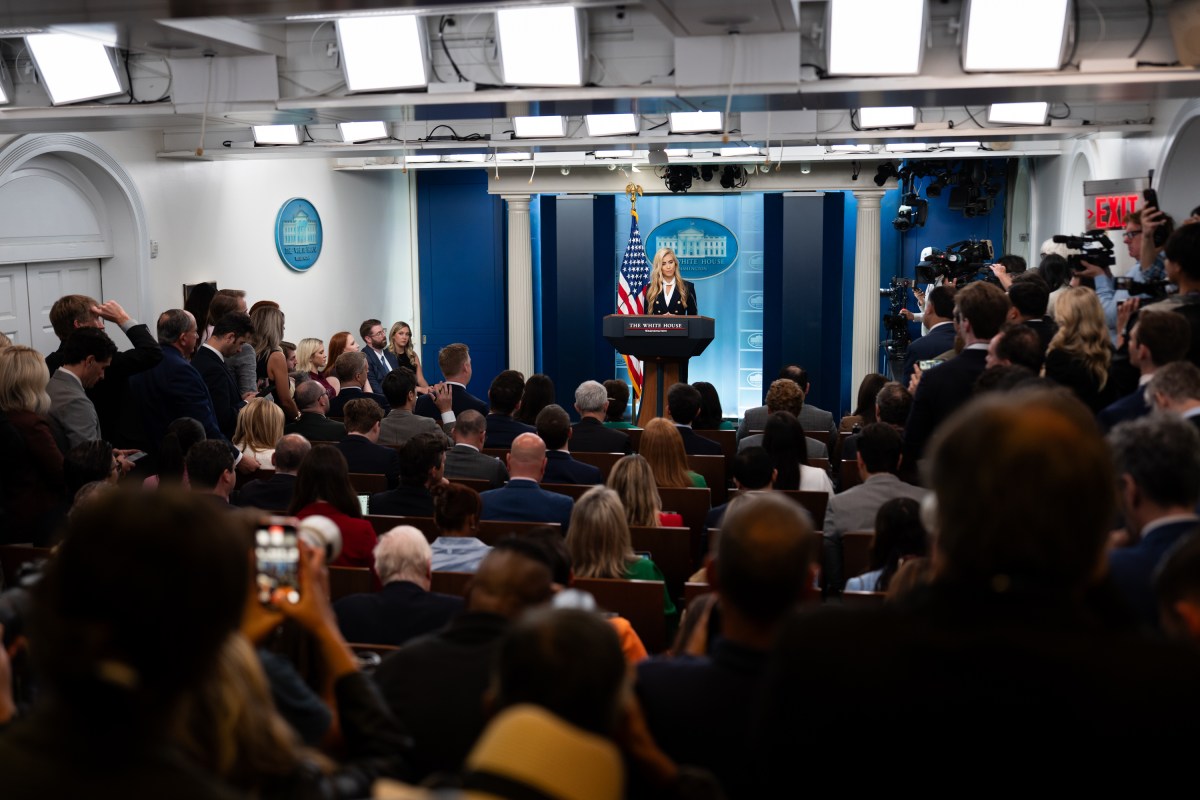
Image credit: Official White House Photo by Andrea Hanks.
Frequently asked questions
What is the Katie Zacharia 2013 photo?
It is a casual photograph described in reports as part of a March 2013 Instagram post, featuring Zacharia in a gray cap with a bubble-tea drink. The image circulated in October 2026 alongside pictures from her first White House briefing.
Why was Katie Zacharia called ‘unrecognizable’?
Some social-media users used that word after comparing the 2013 snapshot with polished 2026 news photographs. It is a subjective reaction, not a factual finding about her identity or medical history.
Did Katie Zacharia confirm a ‘MAGA makeover’ or plastic surgery?
No confirmation of any specific cosmetic procedure was established in the reporting reviewed for this article. Online guesses about Botox, fillers or surgery should not be presented as facts.
How long did her first White House briefing last?
Approximately 14 minutes on October 13, 2026. She took questions from reporters representing Breitbart, Fox News and the Daily Mail.
Is Katie Zacharia still White House press secretary?
No. Multiple news organizations reported on October 16, 2026, that she was departing the role after only a few days. Her October 13 briefing was her first and only formal briefing in the position.
The bottom line
The story behind the Katie Zacharia 2013 photo is about much more than a before-and-after comparison. A years-old Instagram image became a viral talking point during a tumultuous first—and ultimately only—White House briefing. The public debate illustrates how readily political reporting can shift from verifiable conduct to assumptions about appearance. The essential distinction remains simple: the briefing and Zacharia’s departure are documented events; claims about her private cosmetic history are not.
Editorial sources: Original article · Official White House gallery · Gray DC briefing report · UNILAD on the 2013 photo · Pepperdine biography · CBS News October 16 update · People on October 27 comments.
Image-rights note: Confirm permission for the third-party 2013 comparison and Pepperdine portrait before publishing. Replace remote URLs with appropriately licensed, self-hosted copies.