Former Rep. Barney Frank spent his last weeks in hospice doing what he had done for half a century: talking, arguing, and refusing to soften the edges. In April 2026 he entered home hospice in Ogunquit, Maine, for congestive heart failure. He died on May 19 at age 86. Before that, he told Politico one of his regrets was simple and unsparing: “One of my regrets is that I won’t see the continued implosion of Donald Trump.”
That line, plus a follow-up interview with WBUR in which he called the president an “idiot savant,” is what circulating headlines have treated as a deathbed bombshell. The interviews were real. The framing is more marketing than medicine. Frank was not whispering a secret in his final hours. He was doing a media tour from hospice, promoting a book and delivering the same blunt assessments he had offered for years. Four months later, with his final book due out in days and midterm elections approaching, the remarks sit in a different light.
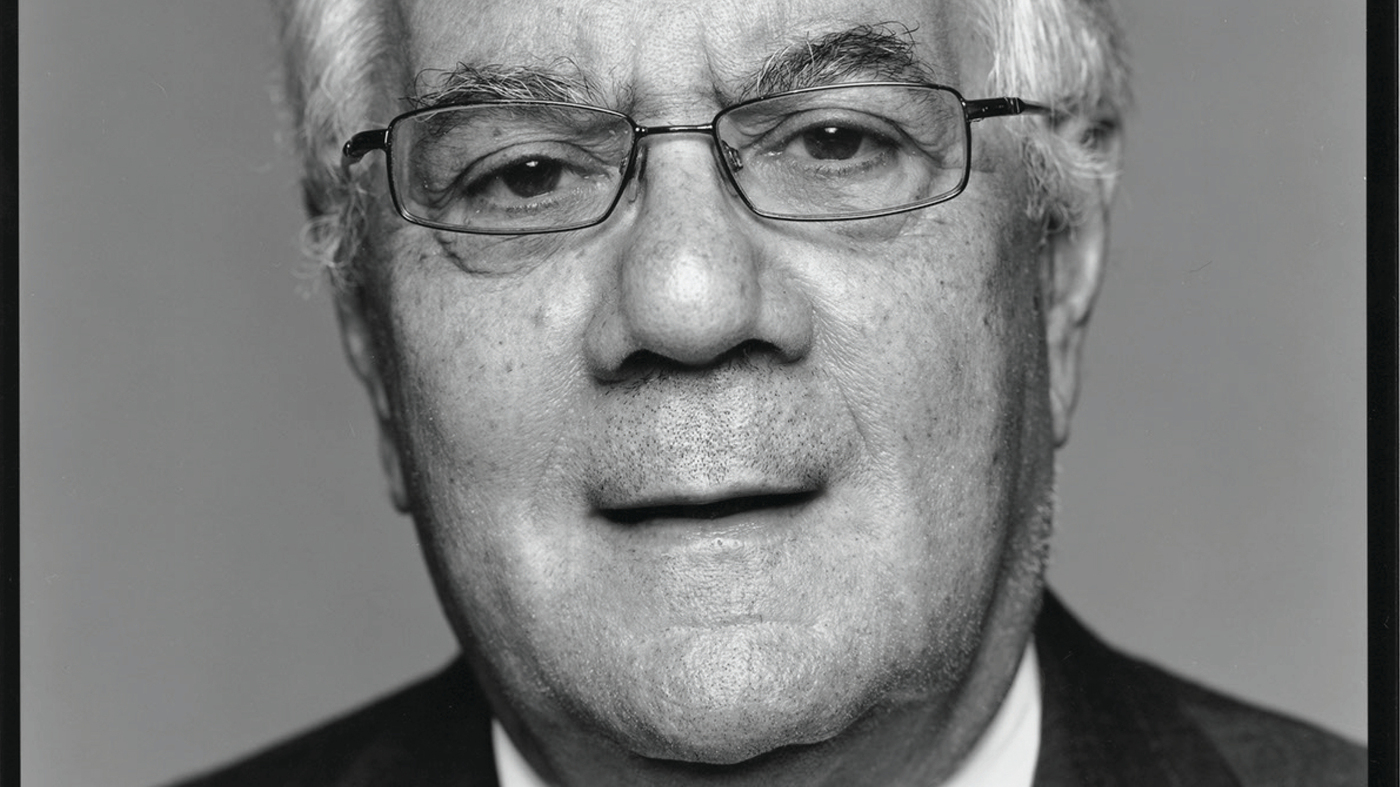
A pioneer who never pretended to be beloved
Barnett Frank was born March 31, 1940, in Bayonne, New Jersey, the grandson of Jewish immigrants. He graduated from Harvard, worked in Boston city government, served in the Massachusetts House, and won a U.S. House seat in 1980. He represented suburban Boston districts for 32 years, retiring in 2013. He chaired the House Financial Services Committee during the 2008 crash. He was often voted the brainiest, funniest, and most eloquent member of the House—and just as often described as abrasive.
In 1987 he became the first member of Congress to come out as gay voluntarily. Others had been outed in scandal. Frank chose the timing himself. In 2012 he became the first sitting member of Congress to marry a same-sex partner when he wed Jim Ready, a Maine surfer and businessman. He later said coming out had been “life-changing, lifesaving.” The progress against anti-gay prejudice, he argued, happened because people came out and the public saw the gap between caricature and reality.

He did not treat gay rights as the only subject that mattered. His signature legislative achievement was the 2010 Dodd-Frank Wall Street Reform and Consumer Protection Act, co-authored with Sen. Chris Dodd. The law created the Consumer Financial Protection Bureau, tightened rules on derivatives, and tried to end “too big to fail” bailouts. Supporters called it the most important financial overhaul since the New Deal. Critics, including Trump in both of his terms, called it regulatory overreach and spent years trying to roll pieces of it back.
Frank’s self-description was “left-handed gay Jew.” He never claimed to be a majority of anything. That outsider stance shaped both his courage and his later impatience with his own party.
What he actually said about Trump
The Politico interview came as he entered hospice. The WBUR conversation aired May 14, days before his death. The fuller quote is more specific than the headlines:
“As to Trump, I have developed my theory about him: It’s not just that he’s bad on all these values, but he is an idiot savant. He has just one talent: an ability to exploit anger that got him into power. But having gotten into power, he’s got nothing left, and that’s why now he’s just floundering.”
He added that he could not think of an issue on which Trump was popular—the Iran conflict, a public fight with the Pope, the economy, even immigration, an issue on which Frank said “the left was dead wrong in its excessive openness.” Trump’s anger and narcissism, Frank said, had asserted themselves without a positive vision to offset them.
This was not a new feud. In 2011 Trump, then a celebrity businessman, posted that Frank “looked disgusting—nipples protruding” in a blue shirt on the House floor and called it “very very disrespectful.” The post recirculated after Frank’s death. Frank had long treated Trump as a joke who turned out to be skilled at one thing. In a CNN appearance from hospice he told Jake Tapper the same story: first a joke, then a shock winner because he exploited discontent, then a return to being a joke once in power.
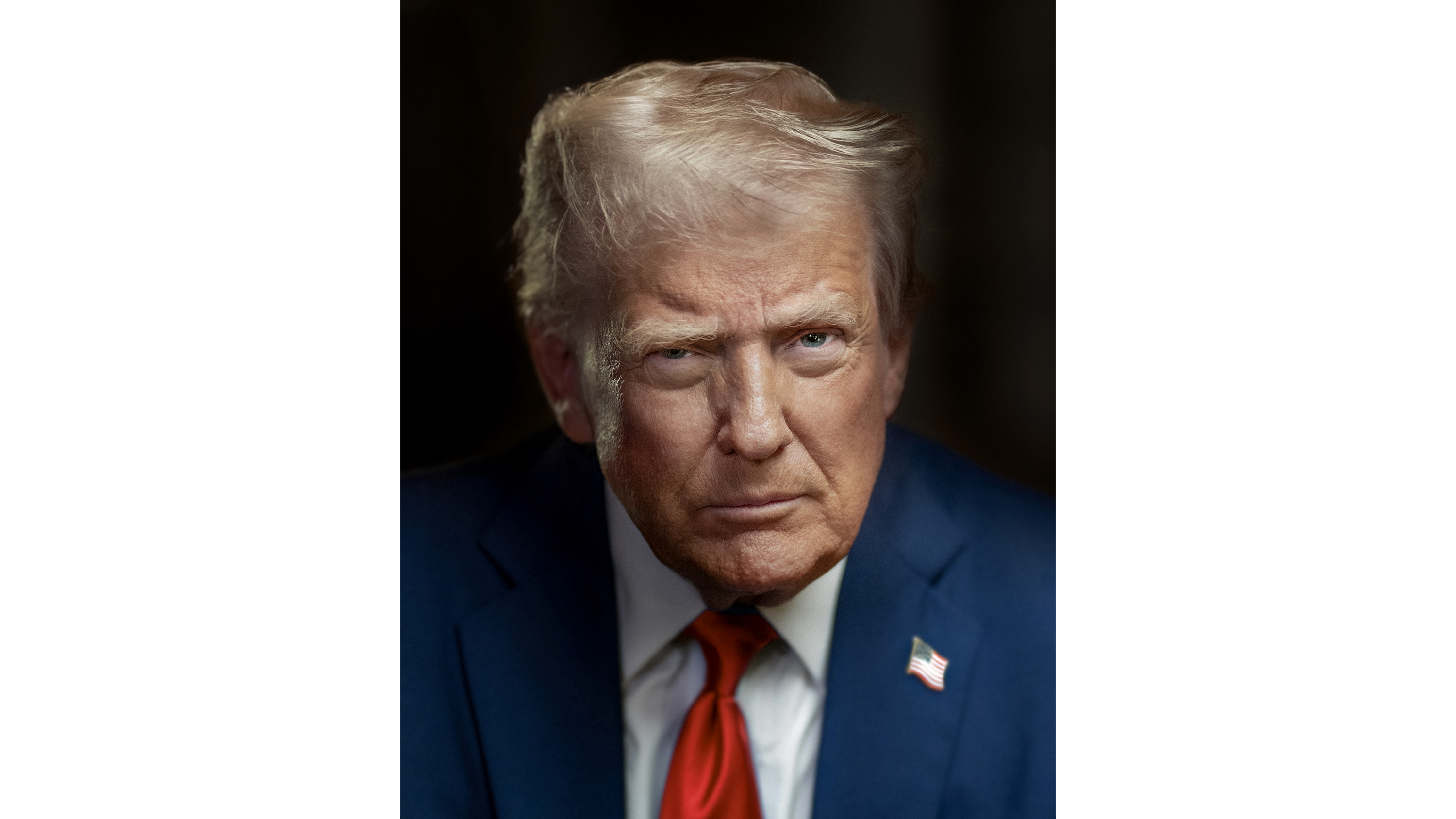
Frank’s language was harsh. It was also consistent with how he talked about almost everyone, including allies. He did not save his sharpness for Republicans.
The other half of the hospice interviews
What many recaps omit is that Frank spent as much time criticizing Democrats as he did Trump. He told interviewers the left had ignored economic inequality for too long, then, after finally taking it seriously, attached a “vote-repelling” cultural agenda and turned the most controversial pieces into litmus tests. He cited open borders rhetoric, “defund the police,” and fights over transgender athletes in women’s sports. Advocacy was fine, he said. Making every item a loyalty test was not. Silence from moderates was not enough; they had to explicitly repudiate the positions that alienated working-class voters.
He used his own career as the model. Gay-rights advocates put marriage last, not first. They built public acceptance before they demanded the most contested prize. He believed the current left had inverted that sequence.
That argument is the subject of his final book, The Hard Path to Unity: Why We Must Reform the Left to Rescue Democracy, scheduled for release by Yale University Press on September 15, 2026—three days from this writing. He finished the manuscript knowing he would not live to see it published. He used the attention that dying brought to preview the thesis. “Frankly, if I weren’t dying, people wouldn’t be paying as much attention,” he told the New York Times.
After the funeral
A memorial filled Faneuil Hall in Boston on June 8. Nancy Pelosi, John Kerry, Elizabeth Warren, Ed Markey, Chris Dodd, and Massachusetts officials spoke. They praised his wit, his work on housing and consumer protection, and the barriers he broke for LGBTQ Americans. Pelosi called him a mix of idealism and pragmatism. Warren remembered the one-liners. His sister Doris Breay said he was, above all, a wonderful brother. He is survived by Ready, his sisters Ann Lewis and Doris Breay, and his brother David.
The National Urban League and other civil-rights groups noted his role in Dodd-Frank’s consumer protections and his early work in Mississippi during Freedom Summer. Archives of his papers are at UMass Dartmouth.
How the “implosion” claim looks in September 2026
Frank died while Trump was in the second year of his second term. Since then an Iran conflict has dragged into a costly stalemate, gasoline prices have risen, and multiple polls have put Trump’s approval in the low-to-mid 30s, with especially weak numbers on the economy and the war. Advisers have privately discussed the possibility the conflict lasts beyond the midterms. Frank named those exact issues—Iran, the Pope, the economy, immigration—in May. Whether that constitutes “implosion” is a political judgment, not a fact. What is factual is that the problems he listed have not gone away, and his own party is still arguing about how far left is too far as it prepares for November.
Frank never claimed prophecy. He claimed a theory of one talent and empty follow-through. Readers can weigh that against the record since May.
What remains
The clickbait version of the story is a gay pioneer’s last shot at a president he despised. The fuller version is a man who spent 32 years in the House, came out when it was still costly, wrote a major financial law, married the person he loved, and then used the last weeks of his life to lecture both the man in the White House and the activists in his own coalition. He did not believe in an afterlife. “Dead is dead,” he told the Boston Globe. He still wanted the last word on the living.
The book arrives next week. The midterms arrive in November. The quotes will keep circulating because they are sharp and because Frank made sure they were on the record. The rest of his record—Dodd-Frank, the coming-out, the marriage, the refusal to flatter his own side—is less viral and more durable. That is the part he spent a career building. The hospice interviews were the coda, not the whole song.