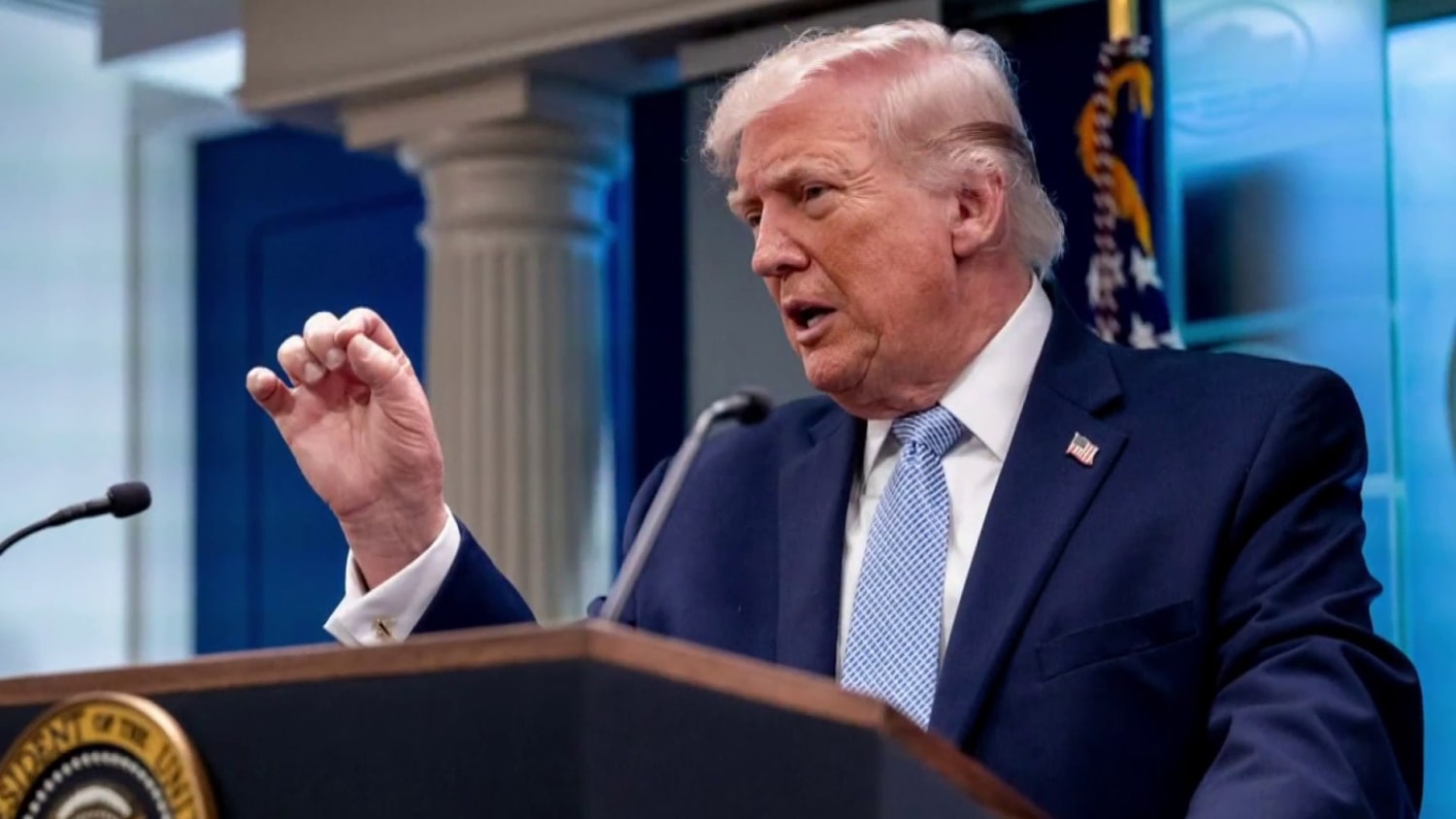
As the clock ticks toward 8 p.m. Eastern Time on Tuesday, April 7, 2026, the United States and Iran stand on the brink of what President Donald Trump has described as potentially “one of the most important moments in the long and complex history of the World.” In a stark Truth Social post issued early Tuesday morning, Trump warned that “a whole civilization will die tonight, never to be brought back again,” unless Iran agrees to reopen the Strait of Hormuz and reaches a broader deal to de-escalate the month-long conflict. “I don’t want that to happen,” he added, “but it probably will.”
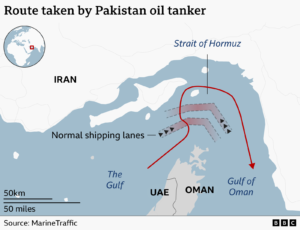
The ultimatum caps weeks of intensifying military and rhetorical confrontation in a war that began on February 28, 2026, with coordinated U.S.-Israeli strikes on Iranian targets. At the heart of the current crisis is the Strait of Hormuz, the narrow waterway through which roughly 20% of the world’s oil supply passes. Iran’s effective blockade or restriction of shipping there has sent global energy markets into turmoil, driving oil prices above $110 per barrel and triggering fears of a broader economic shock.
Background: How the Conflict Reached This Boiling Point
The roots of the present escalation trace back to long-standing tensions over Iran’s nuclear program, regional proxy conflicts, and U.S. sanctions. After Trump’s return to the White House in January 2025, his administration adopted a hardline “maximum pressure” approach reminiscent of his first term. Diplomatic efforts collapsed in late February when Iran reportedly accelerated uranium enrichment and supported attacks on U.S. allies.
On February 28, U.S. and Israeli forces launched a series of airstrikes on Iranian military sites, nuclear facilities, and command centers. Iran retaliated with missile barrages and proxy attacks across the region. Over the following weeks, the conflict broadened: Israeli strikes hit Iranian universities and infrastructure in Tehran, while Iran launched operations against U.S. bases in Kuwait and other Gulf states, injuring American personnel.
By mid-March, Iran had effectively curtailed commercial shipping through the Strait of Hormuz, citing security concerns and demanding an end to the strikes. Trump responded with increasingly direct threats. On March 21, he warned of “obliterating” Iran’s power plants if the strait was not “FULLY OPEN” within 48 hours. Deadlines were extended multiple times—first to late March, then to April 6, and now to tonight—each accompanied by fresh warnings of devastating retaliation.
The Strategic Target: Kharg Island and Recent U.S. Strikes
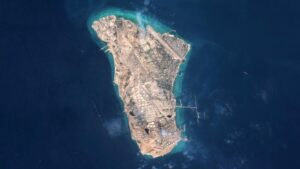
A focal point of the latest military action is Kharg Island, Iran’s primary oil export terminal located in the Persian Gulf north of the Strait of Hormuz. The island handles approximately 90% of Iran’s crude oil exports. Over the past 24-48 hours, the U.S. has conducted targeted strikes on military installations there, according to statements from Vice President JD Vance and Pentagon officials. U.S. sources insist the attacks were limited to military targets and did not damage oil export infrastructure itself, describing the operation as a “shot across the bow” to degrade Iran’s defensive capabilities without triggering an immediate energy catastrophe.
Iranian state media, however, reported multiple large explosions across the island, with civilian casualties and significant disruption. Iranian officials have vowed revenge “beyond borders” and called the strikes an act of aggression aimed at crippling the nation’s economy.
These strikes come amid a pattern of U.S.-Israeli operations that have already destroyed key infrastructure, including rail bridges, a synagogue in Tehran (prompting widespread outrage), and facilities at Sharif University of Technology. Iran has reported dozens of deaths, including civilians and children, over the past week.
Trump’s Rhetoric and the Threat of “Power Plant Day”
President Trump has not minced words. In addition to the “whole civilization” warning, he has repeatedly referenced “Power Plant Day” and “Bridge Day,” promising a coordinated 4-hour blitz that would “decimate every bridge in Iran” and leave the country’s power grid in ruins if the deadline passes unmet. In one expletive-laden Truth Social post, he referred to Iranian leadership in harsh terms while outlining plans for total infrastructure destruction.
Vice President Vance, speaking hours before the deadline, emphasized that the ball remains in Iran’s court but confirmed the strikes on Kharg were executed as planned. Defense Secretary Pete Hegseth reportedly described upcoming operations as potentially the “largest volume of strikes” since the war began.
Iran’s Defiant Response
Tehran has shown no signs of capitulation. Iranian officials have rejected multiple U.S.-backed ceasefire proposals, including a 45-day temporary truce, insisting instead on a permanent end to hostilities, the lifting of sanctions, and guarantees against future aggression. The Islamic Revolutionary Guard Corps (IRGC) has threatened to cut off fuel supplies “for years” and vowed retaliation that could extend far beyond the region.
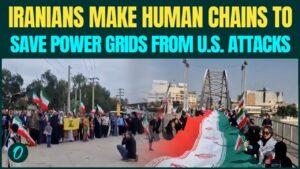
In a dramatic move, Iranian authorities have called on civilians—particularly young people—to form “human shields” around power plants and other critical infrastructure to deter U.S. strikes. State media has broadcast images of citizens linking arms in protective chains.
Iran has also cut off all remaining diplomatic and backchannel contacts with the United States, according to reports, further complicating last-minute negotiations.
Economic and Global Repercussions
The crisis has already sent shockwaves through global markets. Oil futures have surged, with analysts warning that a full closure of the Strait of Hormuz or sustained attacks on Iranian export capacity could push prices toward $150 per barrel or higher. Stock markets in Asia and Europe opened lower Tuesday amid fears of supply disruptions, while U.S. futures also declined.
Beyond energy, the conflict risks broader regional instability. Allies in the Gulf Cooperation Council have expressed private alarm, while China and Russia—major buyers of Iranian oil—have urged restraint. European leaders have called for immediate de-escalation, with some warning that Trump’s threats to strike civilian infrastructure could constitute war crimes under international law.
Humanitarian concerns are mounting. Aid organizations report growing civilian casualties, displacement, and shortages of electricity and medical supplies in Iran. Independent monitors have documented strikes on civilian-adjacent sites, raising questions about proportionality.
What Happens Next?
As the 8 p.m. deadline approaches, the world watches with bated breath. U.S. officials have signaled that strikes, if ordered, would be swift and overwhelming, potentially lasting just hours but inflicting long-term damage on Iran’s infrastructure. Trump has hinted at the possibility of “regime change” or a “revolutionarily wonderful” outcome if new leadership emerges, though he has stopped short of explicitly calling for it.
Iran, for its part, appears prepared for escalation. Foreign Minister statements emphasize “no surrender” and a vow that “every attack will be avenged.”
Diplomatic backchannels via Pakistan and other intermediaries continue, but momentum appears to favor confrontation. A dramatic rescue of downed U.S. airmen earlier in the conflict underscored the high-stakes nature of operations in Iranian airspace.
Analysis and Broader Implications
Military analysts describe the situation as highly volatile. Striking power plants and bridges could cripple Iran’s economy for years but would also risk massive civilian suffering and international isolation for the U.S. Some experts argue the threats themselves may be designed to force a last-minute concession rather than to be fully executed.
Others warn that miscalculation could spiral into a wider war involving Hezbollah, the Houthis, and potentially direct confrontation with Russia or China. The precedent set by attacking critical civilian infrastructure could reshape future conflicts.
For the American public, the stakes are personal: higher gas prices, potential military casualties, and a foreign policy pivot that could define Trump’s second term. Polling suggests divided opinions, with strong support among his base for a tough stance but growing concern among independents about escalation.
Conclusion
With just hours remaining until President Trump’s self-imposed deadline, the U.S.-Iran crisis has reached a perilous crossroads. The combination of military strikes on Kharg Island, inflammatory rhetoric about civilizational destruction, and Iran’s unyielding defiance creates a powder keg scenario. Whether tonight brings a surprise diplomatic breakthrough, limited additional strikes, or the beginning of a far more destructive phase remains to be seen.
As Trump himself posted, the outcome could reshape history. For now, the world holds its breath, monitoring every update from Washington, Tehran, and the waters of the Strait of Hormuz. Live coverage continues across major networks, and markets remain on edge. The coming hours may determine not only the immediate fate of the region but the trajectory of U.S. foreign policy for years to come.